I saw a lad in the village shop last Tuesday fumbling with a little silver gadget, trying to measure the exact temperature of his water as if he were conducting a chemistry experiment in a laboratory. Honestly, if you need a thermometer and a degree in thermodynamics to figure out how to make a proper cup of tea, you’ve already missed the point entirely. It isn’t about fancy infusions or those expensive loose-leaf blends that cost more than a decent bag of cement; it’s about the simple physics of a boiling kettle and a bit of common sense.
I’m not here to sell you on some overpriced lifestyle trend or tell you to buy a kettle that talks to your telephone. I’m going to tell you how it’s done, based on forty years of seeing exactly what works when the rain is lashing against the windowpane. I will give you the straightforward, no-nonsense method for getting the strength and the colour right every single time. If you follow my lead, you won’t end up with a lukewarm disappointment, but a brew that actually does the job.
Table of Contents
It Starts With the Ideal Tea Water Quality
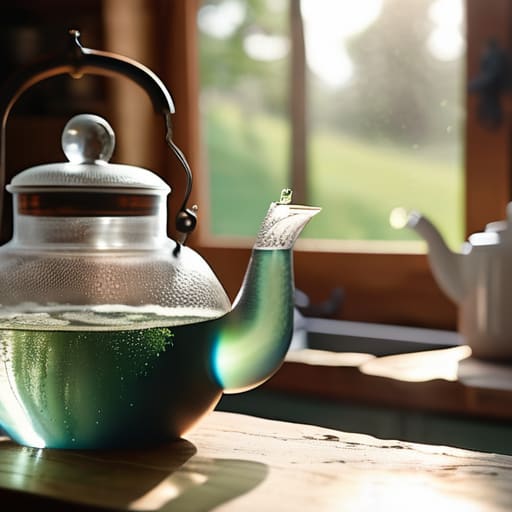
Now, don’t go thinking you can just grab whatever’s left in the bottom of the kettle from yesterday morning. If you want a decent brew, you have to start with the ideal tea water quality. I’ve spent enough time looking at old plumbing in cottages around the Test Valley to know that what’s coming out of your tap matters. If your water is particularly hard—and in many parts of our corner of the world, it certainly is—it’ll leave a film on the surface that tastes more like a swimming pool than a breakfast drink.
I always tell people to use fresh, cold water straight from the mains. If you let the kettle boil and boil again, you’re essentially boiling the life out of it, leaving you with something flat and uninspiring. It’s a bit like trying to restore a dry stone wall with crumbling mortar; if the foundation isn’t solid, the whole thing is bound to fall apart. You need that fresh oxygen in the water to really pull the flavour out during the infusion. If you’re looking for the best results, start with a clean slate and a fresh pour.
Finding the Best Tea Brewing Methods for Your Kitchen
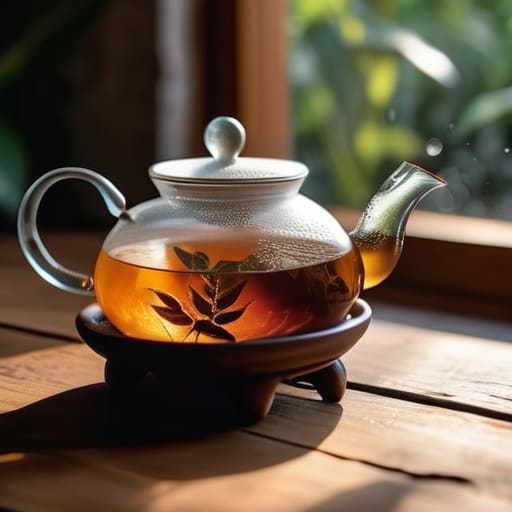
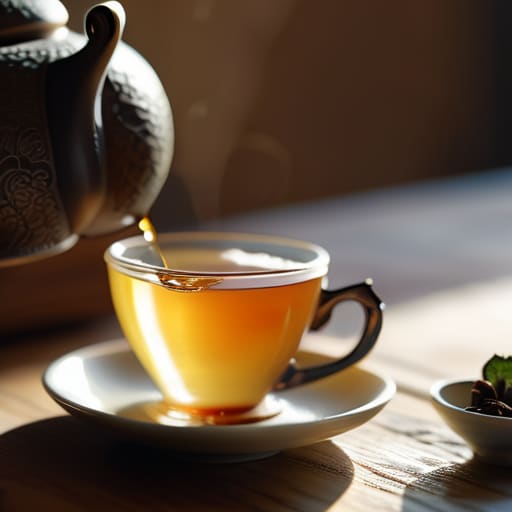
Now, once you’ve sorted your water, you have to decide how you’re actually going to marry the leaf to the liquid. I’ve seen people in the village use everything from those flimsy little paper bags to heavy ceramic pots that look like they belong in a museum. If you are looking for the best tea brewing methods, my advice is to avoid the convenience of a single bag if you can manage it. A proper teapot—ideally one with enough thermal mass to hold the heat—allows the leaves to move freely. When you use a loose-leaf infuser, you aren’t just making a drink; you are allowing the full profile of the leaf to expand, which is quite a different experience from the dust you find in most supermarket tea bags.
It is also worth noting that your method should change depending on what is in the tin. There is a significant difference in black tea vs green tea temperature requirements; if you treat a delicate green leaf with the same boiling aggression you use for an Assam, you’ll end up with something that tastes more like boiled grass than a proper brew. I usually keep a small thermometer in the drawer, just to be sure.
A few rules of thumb for the final stretch
- Don’t go skimping on the milk; you want just enough to turn the brew a nice, warm tan, similar to the colour of the old brickwork on the Old Rectory, but not so much that you’re just drinking lukewarm dairy.
- If you are using a teapot—and I hope you are, as a single mug is a bit of a lonely affair—make sure you warm the pot first with a splash of hot water, otherwise the ceramic will steal all the heat right out of the leaves.
- Put the milk in last. I know there is a great deal of debate about this at the parish council meetings, but if you pour the milk in before the tea has had its chance to steep, you’ll end up with a brew that’s weak and strangely pale.
- Watch the clock. I’ve seen people leave the bag in until it’s bitter enough to strip paint off a garden gate; three to five minutes is plenty of time for a decent infusion, and no more.
- Use a proper spoon for the stir. A quick, gentle swirl is all you need to marry the flavours; if you start clattering about like you’re mixing cement for a new driveway, you’ll just end up with a mess and a cold cup.
The Short Version for the Rest of Us
If the water hasn’t just come off the boil, you aren’t brewing tea; you’re just making warm, pale water that tastes of nothing.
Put the kettle on, let the bag sit for four minutes—no more, no less—and for heaven’s sake, don’t go squeezing the bag against the side of the mug like you’re trying to wring a wet rag.
A good cup of tea is about the ritual and the patience, not about which expensive gadget you’ve bought to sit on your worktop.
The real secret to a good brew
You can buy the most expensive porcelain pot in the shop, but if you haven’t given the leaves those four minutes of quiet to actually do their job, you’re just drinking warm, tinted water; patience is the one ingredient you can’t find on a supermarket shelf.
Gordon Ellery
The Final Steep
At the end of the day, making a decent brew isn’t about owning a piece of kit that costs more than my first Land Rover; it is about the details. You need the right water—fresh, cold, and brought to a proper boil—and you must give those leaves the time they actually require to release their character. Whether you are using a simple ceramic pot or a sturdy teapot that has sat on my sideboard since 1984, the principle remains the same: patience is your most important ingredient. Don’t rush the process, don’t skimp on the temperature, and for heaven’s sake, don’t forget to warm the pot first if you want it to stay hot while you’re finishing your biscuits.
I often think that a good cup of tea is a bit like a well-maintained cottage; it doesn’t need to be flashy, it just needs to be solid and reliable. It is the small, consistent habits that make the difference between a mediocre afternoon and a moment of genuine peace. So, next time you feel the world is moving a bit too fast, put the kettle on, sit down, and take those five minutes for yourself. There is a quiet dignity in doing things properly, and I promise you, the reward is well worth the wait.
Frequently Asked Questions
Does it actually matter if I use the tap water straight from the kitchen sink, or should I be using filtered water like the youngsters do?
Now, I’ve lived in enough cottages to know that tap water varies wildly from one valley to the next. If you’re in one of the newer builds near the bypass, the water is usually fine. But if you’re in an older property with those original lead pipes or heavy limescale, you’ll taste it in the cup. I’ve never seen much need for those fancy filters the youngsters swear by, unless your local supply is particularly hard.
If I’m using a teapot rather than a mug, how long should I really be letting the leaves sit before it becomes bitter?
If you’re using a proper ceramic teapot—and I do mean ceramic, not one of those thin little things that loses heat before you’ve even found a biscuit—you should aim for four minutes. Any more than five and you’ll find the tannins start to take over, leaving you with a brew that’s more astringent than soothing. Keep an eye on the clock; patience is everything when you want it right.
Is there any point in using a thermometer to check the heat, or is just waiting for the kettle to click enough?
Now, if you’re looking for a bit of precision, a thermometer won’t hurt, but it’s a bit like using a laser level to hang a picture in a shed. Most people find the kettle’s click is plenty. If you’re brewing a delicate green tea, mind you, don’t let it boil; let the kettle sit for a minute or two first. For a proper builder’s brew, though, just wait for that click and get on with it.