
I remember standing in a draughty hallway in a mid-Victorian terrace near Salisbury, watching a young couple stare in horror at a crumbling lintel. They had just bought the place, only to realise that what does grade 2 listed mean wasn’t just a bit of trivia for the local history society; it was a legal reality that meant they couldn’t even swap out their windows for something that actually kept the heat in without a mountain of paperwork. People tend to talk about these buildings as if they are museum pieces to be admired from behind a velvet rope, but when you’re the one paying the heating bill and trying to fix a leaking roof, that romanticism wears thin very quickly.
I’m not here to give you a lecture on architectural movements or the fine print of government legislation. Instead, I want to tell you what it actually feels like to live inside a piece of history. I’ll be sharing the practicalities of the paperwork, the inevitable costs of using specialist lime mortar, and the reality of dealing with planning officers who have never actually held a trowel. My goal is to give you the straight truth about maintaining these homes, so you can enjoy the character without losing your mind.
Table of Contents
Understanding the Difference Between Grade 1 and Grade 2

Now, you might be wondering if there is much of a distinction between the tiers, but there is. When we talk about the difference between grade 1 and grade 2, we are really talking about rarity. Grade 1 is the top tier, reserved for buildings of such exceptional interest that they are essentially national treasures—think of the great cathedrals or some of the more grand manor houses you might see dotting the Wiltshire countryside. There are very few of them, maybe only about 2.5% of all listed structures.
Grade 2, on the other hand, covers the vast majority of what you’ll encounter in our local villages. These are buildings that are nationally important and of special interest, but they aren’t quite in the same league as a royal palace. Most of the cottages, old farmhouses, and even some of the more substantial Victorian villas in the parish fall into this category. While the architectural significance criteria might feel a bit academic, the practical reality is the same: whether it is Grade 1 or Grade 2, you are entering into a formal agreement with history, and you’ll need to be careful about what you change.
The Real Weight of Statutory Listed Building Status
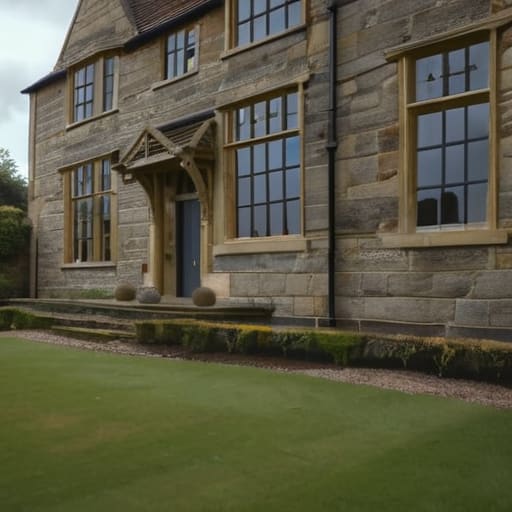
Now, I shouldn’t sound like I’m trying to frighten anyone, but you must understand that statutory listed building status isn’t just a fancy label on a plaque by the front door. It is a legal reality that sits quite heavily on your shoulders. When I was valuing properties in the valley back in the nineties, I often saw people treat these houses like any other semi-detached bungalow, only to find themselves in a bit of a muddle when they wanted to swap out their timber frames for something more modern.
The reality is that your listed building maintenance responsibilities go far beyond just keeping the gutters clear. You aren’t just the owner; you are, in a sense, the temporary custodian of a piece of history. This means that if you want to change anything—and I mean anything from the colour of the front door to the type of lime mortar in the chimney stack—you’ll be navigating the waters of listed building planning permission. It can be a slow, methodical process, often involving specialists who know their flint from their brickwork, but it’s all part of keeping the character of our villages intact for the next generation.
A Few Bits of Advice Before You Pick Up a Hammer
- Don’t assume the listing only covers the front of the house. I’ve seen plenty of folks in the village assume they can swap out their back windows or knock down a kitchen wall without asking, only to find the protection extends to the entire structure and often the garden walls too.
- Get a specialist on your side early. If you’re looking at a property with a date stone from the 1840s, your local handyman—bless him—isn’t the right man for the job. You’ll want someone who understands lime mortar, because using modern cement on those old bricks is a quick way to trap moisture and ruin a wall.
- Budget for the “heritage tax.” When I was valuing properties, the ones with Grade II status often had a higher ceiling for potential, but the maintenance costs were always steeper. You aren’t just buying a house; you’re becoming a temporary custodian of a piece of history, and that comes with a price tag.
- Paperwork is your best friend and your worst enemy. Before you even think about moving a single stone, make sure you have your Listed Building Consent in order. I’ve seen neighbours go from friendly to frosty in a single afternoon because someone decided to install a conservatory without the proper nod from the council.
- Look closely at the “curtilage.” This is a fancy word for the area around the house, but it’s important. It means that old stone wall at the edge of your driveway or even that summerhouse from the Edwardian era might be just as protected as the main cottage itself.
The Bottom Line for Homeowners
Don’t mistake a Grade II listing for a museum piece; it’s a living home, but one where you’ll need to check with the council before you even think about swapping out a window frame or changing a chimney stack.
Expect the maintenance bill to be a bit higher than your neighbour’s, as you’ll often find yourself needing specialist tradespeople rather than the local lad with a van to ensure the repairs meet the required standards.
Remember that the value of the house isn’t just in the bricks and mortar, but in the history they hold—which is wonderful for the soul, provided you’ve got the patience for the paperwork that comes with it.
The Paperwork vs. The Property
“A Grade II listing isn’t just a little brass plaque by the front door to show off to the neighbours; it’s a legal handshake with history that means you can’t so much as swap out a timber lintel or a sash window without asking permission first. It adds a certain soul to a home, certainly, but it also adds a fair amount of time to your Sunday afternoons spent reading planning guidance.”
Gordon Ellery
Final Thoughts from the Surveying Desk
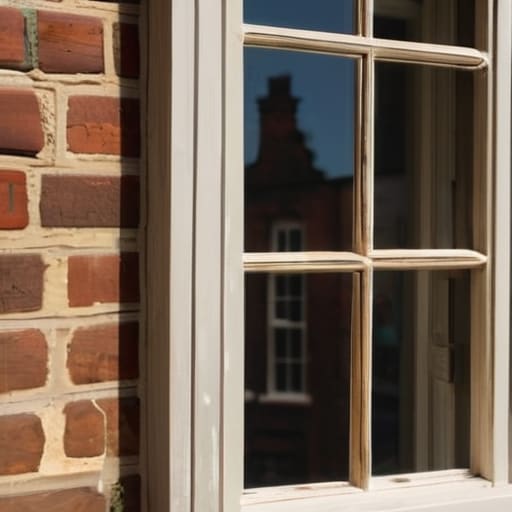
To wrap this up, don’t let the paperwork intimidate you. We have covered how a Grade II status is less about being a museum piece and more about protecting the character and fabric of a building that has stood the test of time. It means you can’t just swap out your timber sash windows for uPVC because you had a sudden whim on a Tuesday afternoon, and it means the local planning office will be looking over your shoulder a bit more closely than your neighbour in the new-build estate. It is a commitment to maintaining the structural integrity and historical context of your home, which, as I have seen many times in my thirty years of valuations, is often what keeps the property value steady when everything else fluctuates.
At the end of the day, living in a listed building is a bit like being a temporary custodian rather than just an owner. You are looking after a piece of our local history—perhaps a cottage from the late 1700s or a Victorian terrace that has seen generations of families pass through its doors. It requires a bit more patience, a bit more specialist knowledge, and certainly a bit more elbow grease when the damp sets in. But there is a profound satisfaction in knowing that by doing the work properly, you are ensuring that the soul of the village remains intact for the next person who holds the keys.
Frequently Asked Questions
If I want to put in a new kitchen or change the windows, do I need to ask permission for every little thing?
Now, don’t go assuming you can just swap out the kitchen cabinets on a whim. If you’re planning to replace the windows—especially if they’re the original timber frames—you’ll almost certainly need Listed Building Consent. Even internal changes, like knocking through a wall or altering a fireplace, can be tricky. My advice? Before you order any granite or joinery, talk to the local planning officer. It’s much cheaper than being told to tear it all out.
Does a Grade II listing cover just the front of the house, or am I responsible for the garden and outbuildings too?
It’s a common misconception that the listing stops at the front door, but you’ll find it’s rarely that simple. Usually, the protection extends to the entire curtilage—that means your garden, the old potting shed from 1920, and even that dry stone wall at the bottom of the lane. If it’s part of the property’s historical setting, you can’t just swing a sledgehammer at it without asking permission first.
How much is this actually going to add to the cost of my maintenance and insurance?
Let’s be blunt: it’s going to cost you more. You can’t just nip down to the local DIY shop and grab a bucket of standard masonry paint or a roll of cheap sealant. If you’re touching the fabric of the building, you’ll likely need specialist materials and craftsmen who actually know what they’re doing—and they don’t work for bargain prices. Your insurance premiums will nudge up too, as insurers generally charge more to cover the cost of bespoke, period-correct repairs.