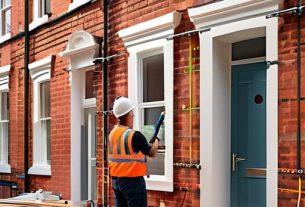
I remember standing in the driveway of a lovely 1930s semi in Upper Clatford back in ’98, watching a heavy autumn downpour turn the bottom of the lane into a proper stream. The agent was busy talking about the “characterful features” and the “proximity to the village green,” but I wasn’t looking at the roses; I was looking at how the water was pooling against the brickwork. People will try to sell you on the charm of a riverside view, but when it comes to buying a house in a flood risk area, a view is a poor substitute for dry carpets.
I’m not here to give you a lecture on hydrological modelling or some glossy insurance pamphlet that reads like a legal textbook. What I intend to do is tell you what I’ve learned from thirty years of surveying properties and sitting through enough parish council meetings to know exactly where the trouble hides. I’ll tell you which drainage systems are actually fit for purpose and what questions you need to ask the neighbours before you hand over your deposit.
Table of Contents
- Flood Zone Maps Explained by Those Who Have Stood in the Rain
- Real Estate Flood Disclosure Laws You Cannot Afford to Ignore
- Five things to check before you hand over the keys
- Three things to do before you hand over the deposit
- ## The truth about the view
- A Final Look Before You Sign
- Frequently Asked Questions
Flood Zone Maps Explained by Those Who Have Stood in the Rain

Now, you’ll see plenty of colourful maps online, often with shades of blue or purple indicating risk, but I’ve found that flood zone maps explained by a computer don’t tell the whole story. A map might show a property is in a low-risk zone, but it won’t tell you that the culvert at the end of the lane is blocked with autumn leaves every November. I’ve spent many an afternoon squinting at topographical surveys, and I can tell you that a single dip in the garden can change everything.
When you’re looking at these charts, keep a sharp eye on the impact of flooding on property value over the long term. It isn’t just about the immediate damage; it’s about the difficulty of selling ten years down the line when the next buyer is just as wary as you are. If the local council has marked the area as high-risk, you should also be asking about elevation certificate requirements for any new extensions. Don’t just take the surveyor’s word for it—ask to see the actual rainfall data for the last decade. If the numbers look shaky, your gut probably is too.
Real Estate Flood Disclosure Laws You Cannot Afford to Ignore

Now, don’t go assuming the seller is going to volunteer every soggy detail during the viewing. While real estate flood disclosure laws vary depending on exactly where you’ve planted your flag, the principle remains the same: the person selling the house is usually legally required to tell you if they know the living room becomes a pond every November. I’ve seen plenty of “charming period cottages” where the owner conveniently forgets to mention the cellar hasn’t been dry since the Great Flood of ’98. If they know it floods, they have to say so, but they aren’t required to go looking for problems they didn’t know existed.
That is why you must ask the direct questions yourself. Don’t just rely on their word; ask for the paperwork. You’ll want to see if there are specific elevation certificate requirements that have been met, especially if you’re looking at something built before the more recent building regulations caught up. A certificate tells you exactly how high the floor sits above the expected water level. It’s a dry, boring piece of paper, I know, but it’s much better than finding out your new sofa is floating halfway down the lane.
Five things to check before you hand over the keys
- Don’t just look at the council maps; go down to the street when there’s a heavy downpour. I’ve seen plenty of houses that look perfectly dry on a Tuesday, but by Friday evening after a proper soak, the guttering is struggling and the road is turning into a stream.
- Get a proper look at the insurance quotes before you even make an offer. It’s all well and good finding a cottage with character, but if the premium costs more than your monthly mortgage, you aren’t buying a home, you’re buying a liability.
- Check the height of the floor levels. If the main living area is at the same level as the pavement outside, you’re asking for trouble. I always look to see if the house sits slightly proud of the road; that extra few inches can be the difference between a damp rug and a ruined lounge.
- Ask about the history of the drains. I once valued a lovely Victorian terrace where the owners had installed a fancy new kitchen, but the sewage system was still struggling with the local runoff. If the pipes can’t handle a storm, it doesn’t matter how nice your tiles are.
- Talk to the neighbours—the real ones, not the ones selling. If you see someone hanging laundry on a porch or moving furniture to higher ground, listen to them. They’ve lived through the floods that the glossy estate agent brochures conveniently forget to mention.
Three things to do before you hand over the deposit
Don’t rely on a computer screen; walk the lane after a proper downpour to see if the water is pooling near the foundations or if the drainage is actually doing its job.
Get a specialist surveyor—not just a general one—to look at the damp proof course and check for any signs that the house has already sat in a puddle.
Call your insurance broker directly with the exact postcode and ask if they’ll actually cover a flood, because a policy that exists only on paper won’t help you when the river rises.
## The truth about the view
A property developer will tell you the river view is a luxury, but I’ve seen enough damp-staining on Victorian brickwork to know that a view is only lovely until the water starts reclaiming the garden.
Gordon Ellery
A Final Look Before You Sign
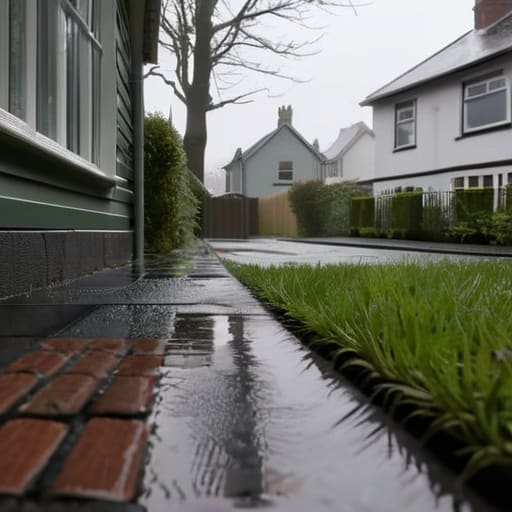
At the end of the day, buying a house is about more than just the number of bedrooms or the age of the chimney stack—though, as I’ve said, that 1930s semi has a sturdy frame if you treat it right. You have to look at the whole picture. That means checking the official maps, yes, but also talking to the neighbours over the garden fence and checking the drainage on the lane itself. Don’t rely solely on what a seller tells you; verify the flood risk with your own eyes and your insurance broker. If the paperwork is murky or the local history suggests the water has a habit of visiting, listen to your gut. A house is a massive commitment, and it’s much easier to walk away now than to try and bail water out of your hallway six months down the line.
If you do find a place that passes the test, don’t let the fear of a bit of dampness stop you from finding a home. A house with a bit of character and a solid foundation is worth the extra effort of a thorough inspection. There is a real joy in finding a property that feels right, where the community is strong and the views are worth the occasional heavy downpour. Just ensure you are buying with your eyes wide open. When you finally turn that key in the lock, you want to feel a sense of peace, knowing you’ve done the legwork to ensure that your home remains your sanctuary, no matter what the weather does.
Frequently Asked Questions
Even if the maps say it's fine, how do I find out if the neighbours' gardens turn into ponds every February?
Don’t rely on a computer model; go and talk to the people who actually live there. I’ve found that a ten-minute chat with a neighbour over the garden fence tells you more than any council map. Ask them specifically about the February rains or that one heavy storm last summer. If they mention water pooling near the driveway or a damp patch in the garage, listen. That’s the real data you won’t find in a brochure.
Will my insurance premiums be so high that the house ends up costing me double what the mortgage says?
It’s a fair question, and one I’ve seen catch people out. I won’t sugarcoat it: if you’re looking at a property near the bottom of the valley, the insurance premium can feel like a second mortgage. You aren’t just paying for the building; you’re paying for the risk. Before you commit, get a quote. Don’t guess. I’ve seen monthly costs jump significantly once the underwriters see the actual flood history of a lane.
If I do buy, what are the practical bits of kit—like flood barriers or pumps—that actually work when the river starts rising?
Don’t go spending a fortune on fancy gadgets from a catalogue. If you’re serious, get some proper flood gates for the doorframes—not the flimsy plastic ones, but the metal ones that bolt in tight. A decent submersible pump is a must too, provided you have a reliable power source that won’t cut out when the damp sets in. I’ve seen enough soggy floorboards to know that if the seal isn’t solid, you’re just moving water around.