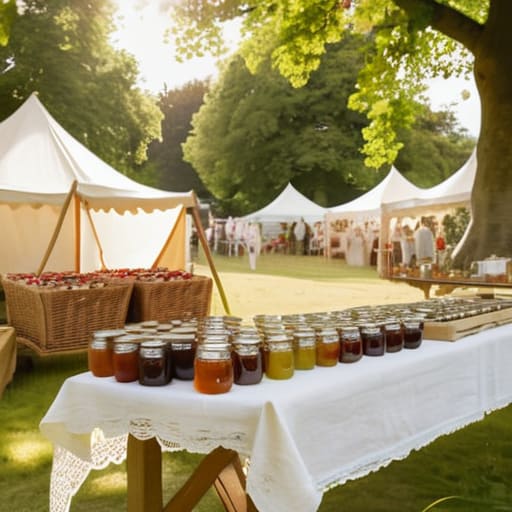
I remember standing in the middle of the village green back in ’94, watching a committee spend three hours debating the exact shade of bunting for the marquee while the tea urn sat unpowered and the raffle prizes gathered dust in a damp garage. People think learning how to organise a village fete is about hiring a professional event planner or commissioning a fancy digital flyer that no one in the parish actually knows how to open on their phones. It isn’t. Most of that high-concept nonsense is just a way to waste money that could have been better spent on a decent marquee that won’t collapse the moment a breeze rolls in from the downs.
I’m not here to give you a corporate checklist or a lecture on “community engagement metrics.” What I’m going to do is tell you what actually works when you’re standing in a muddy field at six in the morning. I’ll share the practical, hard-won lessons I’ve picked up from years of parish meetings and local committees—the kind of advice that focuses on securing the right volunteers, managing the local pub’s involvement, and making sure the tea is actually hot. If you want a guide built on real-world experience rather than glossy brochures, you’ve come to the right place.
Table of Contents
- A Real Organising Community Events Checklist
- Mastering the Practicalities of Village Fete Budget Management
- Five things they don't tell you in the Parish Council handbook
- Three things to remember before you hang the bunting
- The heart of the matter
- The Last Word Before the Bunting Goes Up
- Frequently Asked Questions
A Real Organising Community Events Checklist

Now, I’m not one for fancy spreadsheets, but if you don’t have a bit of a plan, you’ll find yourself standing in the middle of the village green at noon with no tea and a very confused crowd. I’ve put together a bit of an organising community events checklist based on years of watching committees scramble. First, you need to sort your permissions. If you’re planning on using the field behind the church, you’ll need to check the council’s outdoor event safety regulations—they aren’t as relaxed as they used to be, and nobody wants a liability claim because a marquee decided to take flight.
Next, you have to look at the money. Effective village fete budget management isn’t about being stingy; it’s about making sure you aren’t paying more for the bouncy castle than you’re bringing in through the gates. You’ll need a clear list of your village fete fundraising activities—everything from the tombola to the cake stall—and you need to know exactly who is handling the cash. I’ve seen too many good intentions vanish because someone forgot to bring a float for the change.
Mastering the Practicalities of Village Fete Budget Management

Now, let’s talk about the money, and I don’t mean the lofty sums people dream about when they first sit down with a notepad. Real village fete budget management is about the small, leaky holes that sink a committee before the first tent peg is even driven into the ground. I’ve seen many a well-intentioned plan undone by a sudden spike in the cost of tea, sugar, or the hire of a marquee that turns out to be two feet shorter than promised. You have to account for the “invisible” costs—insurance, those pesky public liability requirements, and the inevitable extra bag of ice when the sun decides to actually show its face.
Don’t rely solely on the grand raffle to balance the books; you need a mix of reliable village fete fundraising activities to build a cushion. I always suggest a combination of the classics, like a cake stall—provided the scones aren’t too dry—and perhaps some traditional fairground games that don’t require an electrician to run. If you aim too high with your targets, you’ll end up in the red by Tuesday. It is much better to have a modest, successful afternoon with a little left over for next year, than a spectacular event that leaves the parish council staring at a deficit.
Five things they don't tell you in the Parish Council handbook
- Check the ground before you commit to a layout. I’ve seen many a well-intentioned stall designer forget that the field behind the church turns into a marshland the moment a light drizzle hits. If you’re setting up a coconut shy or a tea tent, make sure you aren’t planning to stand in six inches of mud by noon.
- Don’t rely on the village hall’s Wi-Fi or a single mobile mast. If you’re running a raffle or a cash stall, have a physical ledger and a heavy tin for the coins. I’ve seen people try to run a whole fete on digital payments only to find the signal drops out the moment the crowd gathers near the oak tree.
- Plan for the “unseen” volunteers. You’ll always have the same five people who show up to do the heavy lifting, but you need to recruit the people who are good at the small, annoying jobs—like the person who actually remembers to refill the water jugs or the one who keeps an eye on the bunting when the wind picks up.
- Secure your power sources early. If you’re planning a BBQ or a live band, don’t just assume someone can run an extension lead from the rectory. You need proper, heavy-duty cables and a plan that won’t create a trip hazard across the main thoroughfare where the children are running.
- Watch your timings on the “big” events. A raffle that drags on for forty-five minutes is a great way to watch your crowd disappear toward the pub. Keep the speeches short, the prizes moving, and ensure there is a clear, predictable rhythm to the afternoon so people know when to stay and when to wander.
Three things to remember before you hang the bunting
Don’t let the paperwork swallow the fun; get your insurance sorted and your local council permits in hand early, otherwise you’ll spend the whole morning arguing with a clipboard instead of enjoying the tea.
Plan for the weather, not just the sunshine; if you haven’t scouted a dry spot for the marquee or a way to keep the generator from sinking into the field, you’re asking for a washout.
Focus on the people, not just the stalls; a fete is only as good as the volunteers who show up, so make sure you’ve got a rota that doesn’t leave one poor soul stuck behind the cake stall for six hours straight.
The heart of the matter
You can spend all month arguing over the cost of the marquee or whether the raffle prizes are up to scratch, but if you haven’t sat down with a cup of tea and asked the people who actually live on the lane what they want to see, you’re just throwing a party for yourselves rather than building a community.
Gordon Ellery
The Last Word Before the Bunting Goes Up

At the end of the day, organising a fete comes down to the same things I’ve spent thirty years looking at in property: a solid foundation and a clear view of the horizon. You can have the most detailed budget in the county and a checklist that would make a surveyor weep, but if you haven’t secured the marquee stakes or checked that the village hall toilets actually flush, the whole thing will feel flimsy. It is about managing the small, unseen details—the permit for the raffle, the backup plan for a sudden downpour, and making sure there is enough tea for everyone. If you get the practicalities right, you create a space where people can actually relax, rather than a logistical headache that leaves the committee too exhausted to enjoy it.
But don’t let the spreadsheets and the health and safety forms distract you from why we bother doing this in the first place. We aren’t just setting up stalls to raise a few pounds for the church roof or the local school; we are building the connective tissue of the village. A fete is one of those rare moments when the person in the new build on the lane actually speaks to the family who has been in the cottage since the 1950s. It is about creating a sense of place that exists between the stone walls and the hedgerows. So, get your boots on, talk to your neighbours, and don’t worry if a stall is a little crooked. As long as the tea is hot and the people are talking, you’ve done a fine job.
Frequently Asked Questions
What on earth do we do if the weather turns and we're left with a field of mud and a marquee that won't stay pinned down?
Now, don’t panic. I’ve seen the marquee at St. Jude’s nearly take flight during the ’98 summer blow, and we survived. If the clouds break, your first job is the ground. If it’s turning to soup, you need woodchips or even just some old cardboard to create paths; nobody wants to spend the afternoon pulling wellingtons out of the muck. As for the tent, check your pegs twice. If the wind picks up, move the heavy trestle tables toward the edges to act as anchors. It’s better to move the raffle indoors than to lose the prizes to a gust.
How do we handle the local council and the health and safety paperwork without losing our minds?
Don’t let the paperwork paralyze you. I’ve seen many a good committee crumble before the first sausage is even flipped because they were staring at a spreadsheet instead of the village hall. Contact the Parish Council early—don’t wait until June. They’ve seen it all before. For the health and safety bit, keep it practical: ensure the bouncy castle is anchored and the electrics aren’t trailing through a puddle. Just get a simple risk assessment down on paper.
Is there a way to get the younger families involved when everyone seems too busy with football practice and school runs?
It’s the perennial problem, isn’t it? Between the Tuesday night football and the school run, people are running on fumes. If you want them there, don’t ask them to chair a committee; ask them for twenty minutes of their time. Set up a “quick-help” station or a simple stall. If you make the commitment small and the impact visible—like helping with the bouncy castle for one hour—they’ll show up.