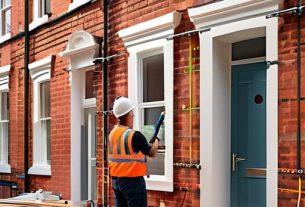
I remember standing in a drafty hallway in a mid-Victorian cottage near Hungerford last autumn, listening to a young couple talk about “character” and “heritage” as if they were buying a piece of art rather than a pile of damp brick and lime mortar. They had no idea that the very thing they loved—that beautiful, uneven floor—was actually a structural headache waiting to happen. Most people approach the question of how to buy a listed building with far too much romance and not nearly enough common sense. They see the history, but they don’t see the restrictive covenants or the fact that you can’t simply swap out a single window without a mountain of paperwork from the council.
I’m not here to sell you on the glamour of living in a piece of history, though there is plenty of it if you know where to look. What I intend to do is lay out the plain, unvarnished truth about what you are actually signing up for. I will tell you which repairs are essential, which regulations will keep you up at night, and how to spot a money pit before the solicitors start their clock. This isn’t a guide from a glossy magazine; it is the practical reality of owning a home that belongs to the past.
Table of Contents
- Understanding Heritage Building Survey Requirements
- Checking the Structural Integrity of Period Properties
- Five things I’ve learned from thirty years of looking at old walls
- Three things to keep in mind before you commit
- ## The Paperwork vs. The Reality
- A Final Word Before You Sign
- Frequently Asked Questions
Understanding Heritage Building Survey Requirements
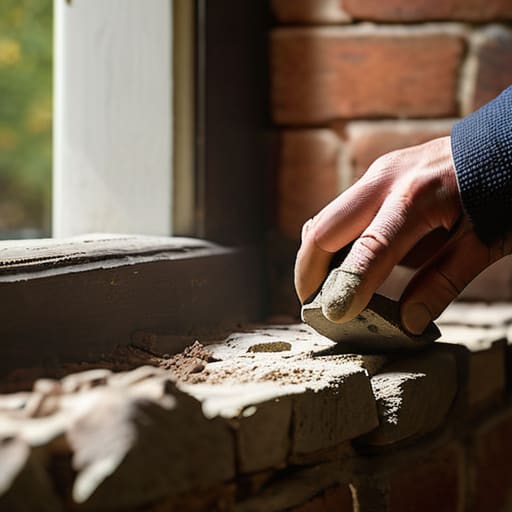
Now, don’t go making the mistake of hiring a standard surveyor who spends twenty minutes poking at a damp patch and calls it a day. When you are dealing with a property that has stood since the mid-eighteenth century, you need someone who understands the structural integrity of period properties. A normal survey might tell you the walls are thick, but it won’t tell you if that lime mortar is failing or if the timber frame is bowing under the weight of a new roof. You want someone who knows the difference between a settled foundation and a genuine crisis.
I’ve seen plenty of well-meaning buyers get caught out because they didn’t grasp the specific heritage building survey requirements needed for these old bones. You aren’t just looking for cracks; you are looking for how the building breathes. If the surveyor hasn’t checked the breathability of the materials, they haven’t done their job. It is much better to pay a bit more upfront for a specialist than to find yourself staring at a damp-ridden drawing room six months after you’ve moved in.
Checking the Structural Integrity of Period Properties
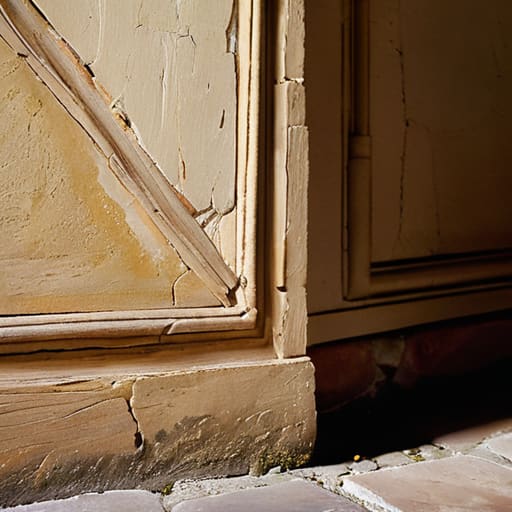
Now, don’t let the charm of a flagstone floor distract you from what’s happening behind the plaster. When I was surveying houses in the Test Valley, I learned that a house built in 1740 isn’t going to behave like a modern brick box from a developer. You have to look for the movement. I’m talking about those fine, spider-web cracks in the corners of rooms or a door that suddenly refuses to latch properly in the summer. It isn’t always a sign of disaster, but it is a sign of life. Assessing the structural integrity of period properties requires a certain patience; you aren’t just looking for a straight line, you’re looking for rhythms of settling that have been there for two centuries.
I’ve spent many a Tuesday afternoon in damp, cramped lofts, and I can tell you that moisture is the real enemy here. If you see salt staining on the brickwork or damp patches near the floorboards, don’t just slap some sealant on it. That’s a mistake that will bleed your bank account dry. You need to factor in significant listed building maintenance costs because you can’t just swap out a window or a beam for something from a catalogue. Everything must be handled with a bit of respect, and usually, a bit of extra cash.
Five things I’ve learned from thirty years of looking at old walls
- Get your hands on the local planning portal before you even view the place. I’ve seen many a well-meaning buyer in Wiltshire try to knock through a partition wall only to find out the whole room is protected by a 19th-century designation that won’t budge for anyone.
- Don’t just look at the floorboards; look at the windows. If those original timber sashes are rotting, you aren’t just looking at a bit of sandpaper and varnish—you’re looking at a very expensive conversation with the conservation officer.
- Check the insurance quotes early in the process. It’s a bit of a shock when you realize that insuring a thatched cottage or a stone-built farmhouse costs significantly more than a modern brick build, simply because the specialist craftsmen required to fix it aren’t cheap.
- Find out who the neighbours are and what they’ve done to their properties. If the house next door has been fighting the council for five years over a new garage, you’ll likely be facing the same uphill battle if you have similar ideas.
- Budget for the “hidden” maintenance. In my experience, a listed building isn’t a one-off purchase; it’s a continuous relationship. You need to have a contingency fund ready for when the lime mortar starts to crumble or the damp creeps up the cellar wall.
Three things to keep in mind before you commit
Don’t trust a standard survey for a house built before 1900; you need someone who knows how to look at lime mortar and timber frames, or you’ll be facing a very expensive mistake come winter.
Check the planning permissions in the local council archives yourself, because just because a window looks original doesn’t mean the previous owner didn’t swap it for uPVC back in the eighties.
Always factor in a larger contingency fund than you think you need, as working with specialist craftsmen and traditional materials rarely comes at the same price as a modern builder’s quote.
## The Paperwork vs. The Reality
“You can spend all day staring at the conservation officer’s reports and the historical registry, but don’t let them distract you from the damp patch behind the dresser; a building might be Grade II listed, but a leaking roof is just a leaking roof, and it won’t care how much history is written on the deed.”
Gordon Ellery
A Final Word Before You Sign

At the end of the day, buying a listed building isn’t like picking up a modern semi-detached from a developer in Basingstoke. You cannot simply glance at the kitchen tiles and call it a day. You must account for the specialized surveyor, the potential for unexpected timber rot behind those lime-plastered walls, and the fact that your local planning officer will likely have more say in your renovations than you do. It is a process of patient investigation and careful budgeting. If you haven’t checked the damp levels in the cellar or verified the condition of the original sash windows, you aren’t really buying a home; you’re buying a very expensive, very beautiful set of problems.
However, if you do your homework and respect the bones of the structure, there is something quite special about it. There is a profound satisfaction in sitting by a hearth that has been warming a room since the mid-eighteenth century, knowing you are merely the current custodian of its history. These houses have outlasted generations, and if you treat them with the right amount of care, they will outlast us too. It is more than just a property transaction; it is about joining a long lineage of people who looked after these walls. If you approach it with your eyes open, you’ll find it’s worth every bit of the extra effort.
Frequently Asked Questions
How much extra should I actually set aside for the specialist repairs that the surveyor flags?
I’ve seen many a first-time buyer get stung because they treated a listed property like a modern semi. If your surveyor flags something—and they will—don’t just look at the quote; look at the materials. You should set aside at least 15% to 20% above your standard contingency. Specialist lime mortar and hand-cut tiles aren’t cheap, and you can’t just nip down to the local DIY shop to fix them.
If I want to put in a new kitchen or move a wall, do I need to get permission from the council first?
The short answer is yes, more often than not. If you’re looking to knock through a wall or swap out those original flagstone floors for something modern, you’ll likely need Listed Building Consent. It’s not just about planning permission; it’s about protecting the character of the house. I’ve seen many a well-meaning owner get into a spot of bother with the council because they assumed a kitchen refit didn’t count. Best to ask first.
Are there specific insurance companies I should be talking to, or will any standard policy cover these old stone walls?
Don’t go walking into the high street and expecting a standard policy to do the job. Most big-name insurers see a lime-mortared stone wall and see a liability, not a feature. They’ll offer you a policy that covers the roof but leaves you high and dry if the masonry shifts. You need a specialist broker—someone who understands rebuild costs using period materials, not just modern cement. It costs a bit more, but it’s worth it.