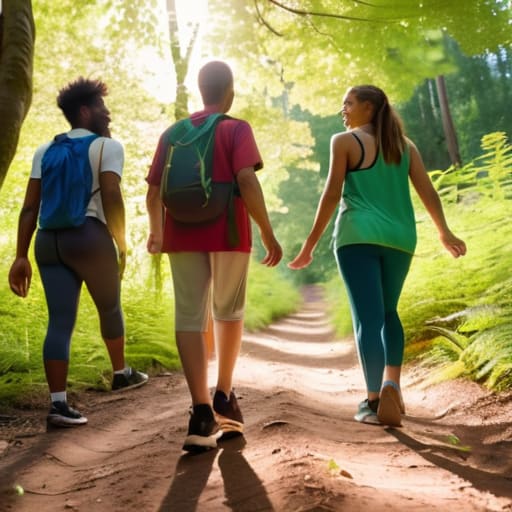
I saw a flyer in the village hall last Tuesday for a “Wellness Trekking Initiative,” complete with high-vis vests and a spreadsheet for tracking heart rates. Honestly, it made me roll my eyes so hard I nearly lost my spectacles. You don’t need a mountain of expensive gear or a degree in kinesiology to figure out how to start a walking group that people actually want to join. Most of these fancy-pants organisations forget the most important bit: people just want to get out of the house, stretch their legs, and have a bit of a chinwag without feeling like they’re training for the Olympics.
I’ve spent enough time navigating the muddy lanes around here to know that a successful group is built on common sense, not complicated logistics. In this article, I’m going to skip the fluff and tell you exactly what works—from picking a route that won’t leave half the group gasping for breath by the first stile, to ensuring there’s a reliable pub at the finish line. I’ll give you the straight talk you need to get something moving, based on what I’ve seen work (and what hasn’t) right here on our own doorstep.
Table of Contents
- Organizing Local Walking Meetups That Build Real Connection
- The True Benefits of Community Walking Clubs Over Solo Strides
- Five Things to Keep Your Group from Fading Away
- A few things to keep in mind before you lace up
- The Secret to Keeping People Walking
- A Final Word Before You Lace Up
- Frequently Asked Questions
Organizing Local Walking Meetups That Build Real Connection
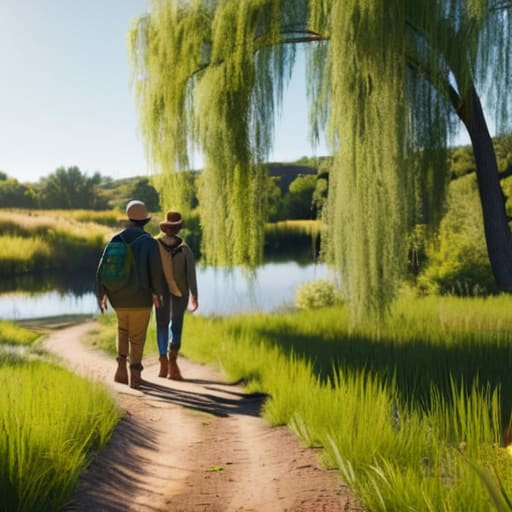
Now, once you’ve found a handful of people willing to lace up their boots, you have to figure out how to actually get them together without it turning into a chaotic scramble. When it comes to organizing local walking meetups, I’ve learned that consistency beats grandiosity every time. Don’t try to plan a trek across the North Downs in your first week. Start with something manageable—perhaps a loop around the old mill pond or a stroll through the churchyard—and set a fixed time, like the first Tuesday of the month at 10:00 am. If people know exactly when and where you’ll be standing, they’re far more likely to show up.
The real secret to longevity, however, lies in how you handle the people themselves. You’ll find everyone has a different stride, and if you don’t focus on group walking pace management, you’ll end up with a split party: the sprinters at the front and the stragglers at the back. I always suggest a “no one left behind” rule. It’s not about speed; it’s about the conversation. If you keep the pace steady and the chatter flowing, you aren’t just exercising—you’re building a proper community.
The True Benefits of Community Walking Clubs Over Solo Strides
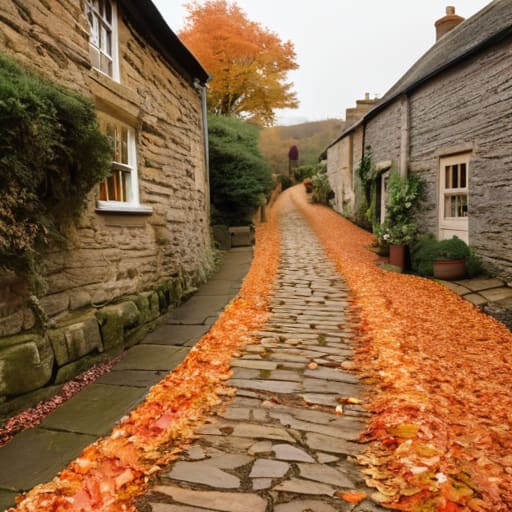
Now, I’ve spent plenty of mornings out on the ridges near Salisbury, often alone with nothing but my own thoughts and a thermos. There is a certain peace in a solo stride, I’ll grant you that. But there is a massive difference between simply walking and being part of a proper community walking club. When you walk alone, you only see what is directly in front of your boots. When you walk with a group, you see the village through someone else’s eyes—they might spot a new flint-work detail on a cottage wall or a particular bend in the lane that’s particularly lovely in October that you’d have missed entirely.
More importantly, there is the matter of looking out for one another. I’ve seen too many folks take on a muddy track alone only to find themselves a bit stuck or, worse, a bit unsteady on their feet. In a group, you have built-in group walking pace management; you aren’t racing to beat a personal best, you’re moving at a speed that allows for a bit of a chinwag. It turns a bit of exercise into a social anchor. You aren’t just ticking off miles; you are building a network of people who know exactly where you are supposed to be.
Five Things to Keep Your Group from Fading Away
- Don’t try to be a mountain guide. When you’re picking your first route, stick to something manageable, like the old bridleway behind the church—it’s well-trodden and won’t leave anyone hobbling by the second mile. If you start too ambitious, people won’t come back for the second walk.
- Be honest about the terrain. If a path has a bit of a muck-up after a heavy rain, tell people before they leave the house. I’ve spent enough time looking at drainage issues to know that a “gentle stroll” becomes a slog very quickly if the ground is waterlogged.
- Pick a reliable time and a fixed meeting point. If you say 10:00 AM at the village green, be there at 9:55 AM. Consistency is what builds a habit; if people have to hunt you down every week, they’ll eventually just stay in their living rooms.
- Sort out the “after-walk” plan early on. A walking group is often just an excuse for a bit of a chat, so aim for a route that ends near the post office or a pub with a decent tea service. It’s the conversation over a brew that actually cements the friendship.
- Keep the communication simple. You don’t need a fancy app or a complicated website. A simple WhatsApp group or even a notice on the community board is plenty. If it takes more than thirty seconds to find out if the walk is still on, you’ve made it too difficult.
A few things to keep in mind before you lace up
Don’t overthink the route; it’s better to pick a path that’s well-trodden and has a pub or a bench halfway than to attempt a trek that leaves everyone too tired to actually talk.
Consistency beats intensity every time, so it’s better to meet once a month like clockwork than to have a grand opening week and then nothing for six months.
Remember that you aren’t just walking; you’re building a bit of social glue, so make sure the pace allows for a bit of a chinwag without anyone feeling like they’re running a marathon.
The Secret to Keeping People Walking
Don’t go looking for a hundred people; just find four or five who won’t mind a bit of mud on their boots and a slow pace. If you pick a route that ends at a pub with a decent stout or a cafe that actually serves a proper scone, you won’t have to worry about people showing up next week—they’ll be counting the days.
Gordon Ellery
A Final Word Before You Lace Up
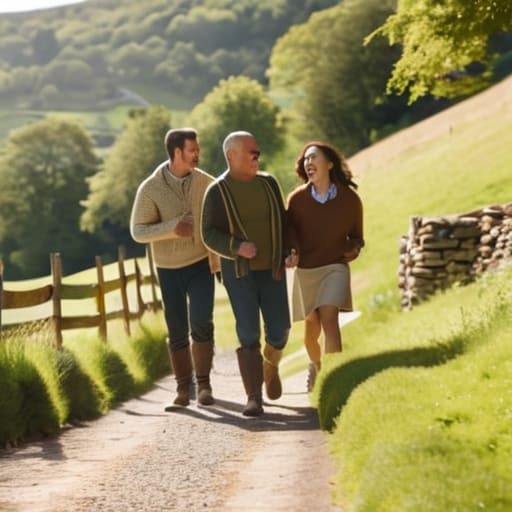
At the end of the day, starting a walking group isn’t about having a perfectly laminated map or a professional-grade GPS. It’s about the practicalities: picking a route that won’t leave half the group limping back to the car park, ensuring the terrain is manageable for everyone, and—most importantly—making sure there is a reliable pub or a decent tea room at the finish line. If you get the logistics right, you move past the awkwardness of the first ten minutes and into the real work of building something lasting. It’s the difference between a group that fizzles out after one rainy Tuesday and one that becomes a permanent fixture of the village calendar.
I’ve spent thirty years looking at the bones of buildings, but I’ve learned that the real strength of a place isn’t found in the flint or the brickwork; it’s found in the people who walk its lanes. A walking group is more than just exercise; it is a way to weave yourself into the fabric of your community. Don’t wait for a formal committee or a perfect set of circumstances to begin. Just grab a pair of sturdy boots, find a decent path, and start walking. You might find that by the time you reach the end of the trail, you’ve found much more than just a way to clear your head—you’ve found your people.
Frequently Asked Questions
How do I make sure the route isn't too steep for the older folks or too flat for the keen ones?
The trick is to stop thinking in terms of “easy” or “hard” and start thinking about elevation gain. I’ve walked enough of the downs to know that a two-mile stretch with a sudden, sharp incline will ruin a morning for anyone with dodgy knees. My advice? Plan a “loop with a choice.” Map a route that offers a flat, gravelled option for the less mobile, and a slightly steeper detour for the keen ones.
What do I do if someone turns up and realizes they've worn the wrong boots for the terrain?
It happens to the best of us. I once saw a gentleman turn up for a stroll through the Lower Combe tracks in thin-soled loafers; he wasn’t there for long. If someone finds themselves in the wrong gear, don’t make a fuss. Keep them to the firmer, flatter paths—the ones near the old mill—and avoid the boggy bits. It’s better to have them walking slowly on gravel than slipping in the mud.
Do we need a proper WhatsApp group for this, or is a simple notice on the village shop door enough to get people moving?
Now, don’t get ahead of yourself with the technology. A notice on the shop door—the one next to Mrs. Higgins’ jam—is a fine start to catch the locals. But if you want a group that actually shows up, you’ll need a WhatsApp group. It’s much easier to let people know a walk is cancelled because of the mud on Mill Lane than to walk to every front door in the village.