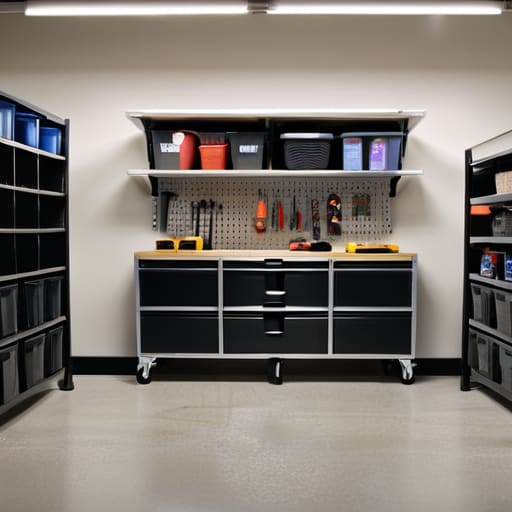
I spent forty minutes last Tuesday hunting for a single 13mm spanner, only to find it buried under a mountain of half-empty seed packets and a rusted lawnmower blade that hasn’t seen petrol since the Queen’s Jubilee. It’s a common sight in most of our homes around here, and frankly, I’m tired of seeing people suggest that learning how to organise a garage requires a massive investment in those fancy, modular plastic drawer systems you see in the glossy catalogues. Most of those expensive kits are nothing more than expensive clutter waiting to happen, designed by people who have never actually had to find a screwdriver in the dark during a sudden downpour.
I’m not here to sell you on some high-tech storage revolution or tell you to spend a month’s wages on heavy-duty shelving. Instead, I want to share what actually works when you’re working with real space and real tools. I’ll be walking you through a practical, no-nonsense approach to clearing the floor, categorising your bits and bobs, and making sure you can actually find your hammer without needing a map. This is about making the space useful again, one sturdy shelf at a time.
Table of Contents
Garage Decluttering Tips for the Things You Actually Use
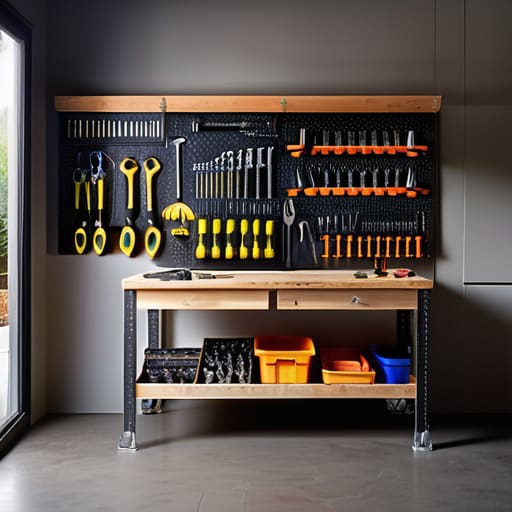
I’ve spent more time than I’d care to admit squinting at half-empty tins of Dulux and rusted trowels, trying to find that one specific screwdriver buried under a pile of old newspapers. The first thing you have to do is be honest with yourself. If you haven’t touched that broken lawnmower since the summer of ’14, it’s not a tool; it’s just heavy rubbish taking up space. I always tell people to group things by their actual job. Keep your garden gear together, your car maintenance in another corner, and your seasonal bits—like those heavy Christmas decorations—tucked away where they won’t trip you up.
Once you’ve cleared the junk, you need to stop thinking about the floor. Most people make the mistake of piling everything on the concrete, which is a recipe for a twisted ankle. Instead, look up. Investing in some heavy duty storage racks can change your life, especially if you’re working with a bit of a small garage space saving struggle. Getting your heavy items off the ground and onto sturdy shelving means you can actually walk from the door to the workbench without performing a frantic obstacle course.
Making Sense of Heavy Duty Storage Racks and Real Tools
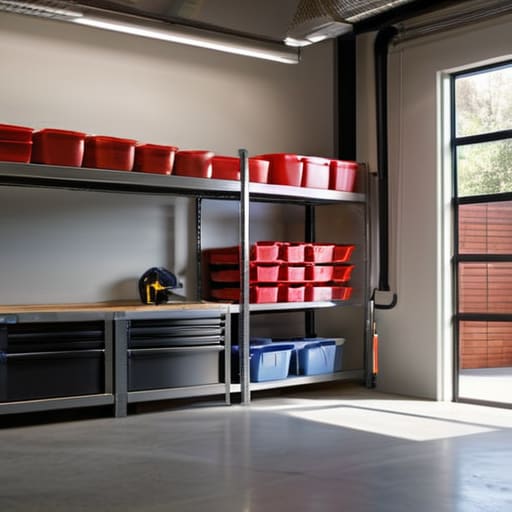
Once you’ve cleared the floor of those old garden sieves and half-melted plastic tubs, you’ll find yourself staring at the bare walls and wondering where to begin. I’ve seen many a well-meaning homeowner buy a cheap, flimsy shelving unit from a big-box retailer, only to have it buckle under the weight of a single heavy drill or a crate of masonry nails. If you’re serious about heavy duty storage racks, do yourself a favour and check the weight rating before you bolt them to the masonry. I prefer the steel uprights that you can adjust as your collection grows; they’re much more forgiving when you eventually decide to take up something more demanding than fixing a leaky tap.
For the smaller bits, I’ve always found that vertical storage solutions are the only way to stop a workshop from feeling like a tip. Pegboards are fine for the light stuff, but for the heavy wrenches and hammers, I’d suggest a sturdy tool chest or a dedicated wall-mounted rack. It keeps your tools within reach and, more importantly, keeps them off the workbench where you actually need the space to work.
Five ways to stop your garage becoming a graveyard for junk
- Get everything off the floor. I’ve spent thirty years looking at damp-proof courses and rising damp, and nothing invites moisture into a house like a pile of cardboard boxes sitting directly on a concrete slab. If you can’t hang it on a pegboard or bolt it to a sturdy workbench, it shouldn’t be sitting on the ground.
- Invest in proper lighting. Most of our local garages were built in the mid-sixties with a single, lonely bulb hanging from a wire, providing just enough light to see the dust but not the actual tool you’re looking for. Swap that out for some decent LED batten lights; you can’t fix what you can’t see.
- Group your items by how you actually use them. Keep the garden shears, trowels, and bags of compost near the door, and the heavy workshop tools further back. There is no sense in trekking through a mountain of old Christmas decorations just to find the hedge trimmers.
- Use clear plastic bins instead of cardboard. I remember a job in a cottage near Salisbury where the owner had everything in old moving boxes; once the humidity rose in November, the cardboard turned to mush and ruined every single thing inside. Clear tubs let you see what’s there without having to play detective.
- Label everything, even if you think you’ll remember. I’ve known many a man who swore he’d never forget which tub held the plumbing spares, only to spend forty minutes digging through the wrong one while a leak was actively worsening. A bit of masking tape and a marker pen will save you a lot of grey hairs.
A Few Things to Keep in Mind
Don’t go buying fancy new shelving units from the big retailers until you’ve actually cleared the floor; I’ve seen too many men spend a fortune on racks only to find they’ve just organized their junk more neatly.
If you haven’t touched a particular tool since the Jubilee in 2012, it’s time to let it go—either sell it at the village swap meet or pass it on to someone who will actually use it.
Always keep your most essential items, like the garden shears or the heavy-duty torch, at waist height so you aren’t climbing a ladder every time you need to check the oil in the mower.
## The Cost of a Messy Floor
I’ve spent thirty years looking at structural cracks and damp rising through Victorian brickwork, but nothing tells me more about a man’s state of mind than a garage where you can’t see the concrete floor. You don’t need a fancy Swedish shelving system to fix it; you just need to stop treating a workspace like a graveyard for things you’re too polite to throw away.
Gordon Ellery
A Final Word Before You Get Stuck In
At the end of the day, organising a garage isn’t about achieving some magazine-perfect showroom; it’s about knowing exactly where the heavy-duty drill is when the rain starts coming through the eaves. You’ve looked at sorting the useful bits from the junk, you’ve considered the weight-bearing capacity of your shelving, and you’ve hopefully found a way to keep those heavy tools within easy reach. It takes a bit of elbow grease and a fair amount of patience, but once you have a system that works for your specific needs—rather than one you bought off a catalogue—you’ll find you spend less time searching and more time actually getting things done.
I remember a cottage near Sevenhampton, built around 1840, where the owner had spent twenty years treating his outbuilding like a graveyard for broken lawnmowers. He finally cleared it out, and he told me the difference it made to his peace of mind was greater than a new kitchen. A garage should be a place of utility and purpose, a workshop for your hobbies or a tidy store for the things that keep a household running. Don’t let the task feel too daunting. Just take it one shelf at a time, and before you know it, you’ll have a space that serves you, rather than a space that you are merely serving.
Frequently Asked Questions
How do I stop the damp from creeping into my tools and boxes if the garage isn't fully insulated?
If you’ve got single-skin brick walls like most of the older builds around here, you’re fighting a losing battle with condensation. I’ve seen enough rusted spanners to know the score. My advice? Get your tools off the floor—nothing kills a socket set faster than sitting on cold concrete. Use plastic, airtight tubs rather than cardboard boxes, which soak up moisture like a sponge. A small, cheap dehumidifier plugged into a timer can also do wonders.
Is it worth investing in proper heavy-duty shelving, or can I get away with those cheaper plastic units from the big retailers?
Look, I’ve seen enough sagging plastic shelves in damp garages to know where this goes. If you’re just storing a couple of empty cardboard boxes or some seasonal bunting, the cheap units from the big retailers will do fine. But if you’re planning on stacking heavy tins of paint, power tools, or those heavy bags of compost, buy the steel. The plastic ones tend to bow and crack after a single winter.
What's the best way to secure the space so I'm not leaving my expensive lawnmower and bike as an invitation for burglars?
It’s a bit of a worry, isn’t it? I remember a neighbour over in Netheravon who lost a perfectly good mountain bike because he’d left the side door latched rather than locked. If you’ve got a garage door that’s seen better days—likely a timber upstand from the late seventies—don’t just rely on the handle. Get a proper heavy-duty hasp and staple, and for heaven’s sake, anchor that lawnmower to a wall stud.