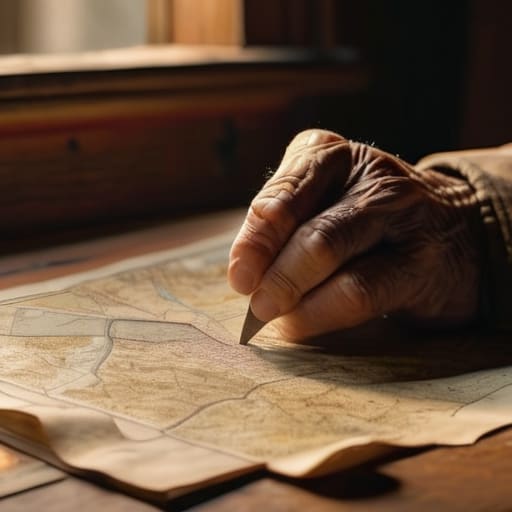
I was sitting in the church vestry last Tuesday, surrounded by the smell of damp limestone and old glue, staring at a stack of parish records from the 1840s that looked more like wet cardboard than history. The local council sent over a glossy brochure suggesting we needed a “multi-phase cloud-based integration system” for digitising a village archive, which is a very expensive way of saying they want to charge us for something a decent scanner and a bit of patience could do. We don’t need high-flying consultants or fancy software that requires a degree to operate; we just need to make sure these names don’t vanish into thin air because the roof leaked or the ink faded.
I’m not going to bore you with technical jargon or tell you that you need a massive budget to get this right. Instead, I’m going to tell you exactly how we can get these records onto a computer without losing our minds or our savings. I’ve spent the last few weeks testing different methods, and I’ll be sharing the practical, no-nonsense steps I’ve found that actually work for small communities. If you want to know which scanners won’t shred your documents and how to keep everything organised, you’ve come to the right place.
Table of Contents
- Preserving Fragile Paper Records Before the Damp Sets in
- Community Heritage Preservation That Lives Beyond the Parish Hall
- Five practical ways to get the job done without losing your mind
- What We Can Learn from the Ledger
- The Cost of Doing Nothing
- A Legacy Worth the Effort
- Frequently Asked Questions
Preserving Fragile Paper Records Before the Damp Sets in

I was in the church vestry last Tuesday, helping Arthur move some old baptismal records, and the smell hit me immediately—that heavy, sweet scent of decaying paper and rising damp. It’s a warning. Most of these ledgers date back to the mid-1800s, and the ink is starting to bleed into the fibers like it’s trying to escape the page. If we aren’t careful with preserving fragile paper records, we aren’t just losing ink; we’re losing the names of the people who built these lanes.
You can’t just shove these through a high-speed office scanner and hope for the best. I’ve seen what happens when a brittle 19th-century map gets caught in a feeder; it’s a heartbreak you only have once. We need to look into proper archival scanning best practices, which usually means using a flatbed or a specialized overhead camera that doesn’t require pressing the pages flat. It’s a slower process, certainly, but it’s the only way to ensure that when we start digitizing historical documents, we aren’t actually destroying them in the process.
Community Heritage Preservation That Lives Beyond the Parish Hall

The trouble with keeping everything tucked away in a locked cupboard in the Parish Hall is that it only serves the three or four people who hold the key. If we want our history to actually mean something to the young families moving into the old rectory, we have to get it out of the dark. True community heritage preservation isn’t just about stashing boxes in a dry room; it’s about making sure a schoolchild can see the handwritten notes from the 1924 harvest festival on a tablet, rather than just hearing a story about it.
It’s also about more than just taking a quick photo with a smartphone and calling it a day. If we are going to do this properly, we need a bit of a digitization workflow for small organizations that actually works. That means being sensible about how we tag things—adding a bit of metadata for local history, like the name of the farm or the specific lane, so that a search actually brings up what you’re looking for. If we don’t get the basics right now, we’re just creating a digital pile of rubbish that’s as hard to navigate as the lane behind the church after a heavy rain.
Five practical ways to get the job done without losing your mind
- Don’t go buying a professional scanner just yet; a decent digital camera on a tripod is often better for those old, curled ledgers that refuse to lay flat against a glass bed.
- Make three copies of everything—one on your computer, one on a thumb drive tucked in a drawer, and one kept at someone else’s house, because a single spilled cup of tea shouldn’t be the end of our history.
- Name your files something sensible, like ‘1924_Parish_Vestry_Minutes’, rather than ‘IMG_0042’, or you’ll spend more time searching for them than actually reading them.
- Take it slow and do it in short bursts; I’ve found that trying to scan more than an hour’s worth of records in one go leads to mistakes, and mistakes in an archive are permanent.
- Keep a simple logbook of what you’ve done, noting which box or folder you’ve finished, so the next person who takes up the mantle doesn’t have to start from scratch.
What We Can Learn from the Ledger
Don’t wait for a flood or a leak in the vestry to act; if a document is brittle, it’s already halfway to dust.
Digitising isn’t about replacing the old books, it’s about making sure the names in them don’t vanish when the next generation moves on.
This isn’t a job for one person with a smartphone, but a proper community effort that keeps our shared history from being lost to the damp.
The Cost of Doing Nothing
“I’ve spent forty years looking at what makes a house stand or fall, and it’s the same with our history. You can’t just leave these old ledgers in a cardboard box in the vestry and hope for the best; once the rot gets into the paper, the stories go with it, and no amount of wishing will bring them back.”
Gordon Ellery
A Legacy Worth the Effort
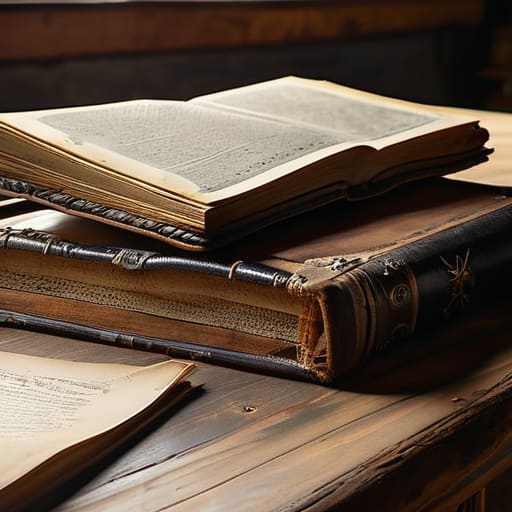
At the end of the day, this isn’t just about scanning old receipts or making a tidy folder on a computer. It is about the practical reality of what happens when we neglect our history. We have discussed the immediate threat of the damp in the vestry and the necessity of moving these records into a digital space where they won’t be lost to a leaky roof or a single spilled cup of tea. By digitising these ledgers, we ensure that the provenance of our streets—from the exact date the mill was converted to the names of the families who built the cottages on High Street—remains accessible to everyone, not just those who happen to hold the heavy iron key to the parish hall.
I often think back to the old stone walls I try to mend on my weekends; if you don’t set the foundation right, the whole thing eventually tumbles into the ditch. Our archives are much the same. They are the foundation of our community identity. Taking the time to get these records onto a screen is an act of quiet stewardship for the next generation. We aren’t just saving paper; we are making sure that fifty years from now, someone can still look up where they came from and find the truth of it. It is worth the squinting and the slow work.
Frequently Asked Questions
Where on earth are we supposed to store all these digital files so they don't just vanish when a hard drive gives up the ghost?
It’s a fair question, and one I’ve seen cause more heartache than a bad subsidence report. You can’t just tuck a single USB stick in a desk drawer and call it a day. I’m a proponent of the ‘rule of three’: keep one copy on your computer, one on an external drive kept in a different room, and a third in a secure cloud service. It’s a bit of extra legwork, but it beats losing everything to a single spilled tea.
If we start scanning these old ledgers, who is actually going to do the tedious work of typing up the names and dates?
That’s the question that usually stops people mid-sentence, isn’t it? It sounds like a chore, and frankly, it is. But we aren’t looking for a single hero to sit in a dark room for a month. We’re looking for the local school’s history club, or perhaps the retired clerks who have nothing better to do than squint at copperplate script. It’s about breaking it into small, manageable chunks—one afternoon, one ledger, one cup of tea at a time.
Does digitising everything mean we can finally stop worrying about the damp in the vestry, or is the paper still at risk?
Not by a long shot. Digitising is like taking a photograph of a crumbling wall; the picture stays, but the stones still fall. I’ve spent enough time in drafty vestries to know that a scan won’t stop the mould from eating a 19th-century ledger. You’ve got the digital backup for the information, certainly, but the physical paper is still a hostage to the damp. It still needs a dry, ventilated home.