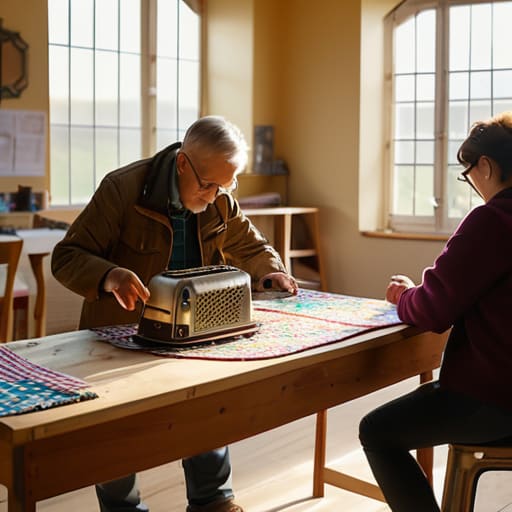
I was sitting in the village hall last Tuesday, staring at a broken Grundig radio from 1974, when it hit me how much nonsense is floating around the internet regarding how to start a repair cafe. You’ll see all sorts of glossy, high-concept guides telling you that you need a dedicated community organiser, a complex digital booking system, and a mountain of grant funding before you even pick up a screwdriver. It’s absolute rubbish. Most of that talk is written by people who have never had to deal with a damp basement or a temperamental fuse box; they think community building is a corporate seminar rather than what it actually is: a bit of tea, a sturdy workbench, and a few people who aren’t afraid to get their hands dirty.
I’m not here to sell you a lifestyle or a polished business model. What I am going to do is tell you exactly what it takes to get a local group off the ground without losing your mind or your savings. I’ll talk about the practicalities—finding a room that doesn’t smell of mothballs, scouting for the one bloke in the parish who actually knows his way around a soldering iron, and making sure the kettle is always on. This is honest, boots-on-the-ground advice for anyone who wants to stop throwing things away and start fixing them.
Table of Contents
- Securing a Venue for Community Events That Actually Feel Like Home
- Waste Reduction Through Repair and Real Human Connection
- Five bits of practical sense for getting the tools out of the shed
- Three things to remember before you pick up a screwdriver
- ## It's About the People, Not the Tools
- Making It Happen
- Frequently Asked Questions
Securing a Venue for Community Events That Actually Feel Like Home
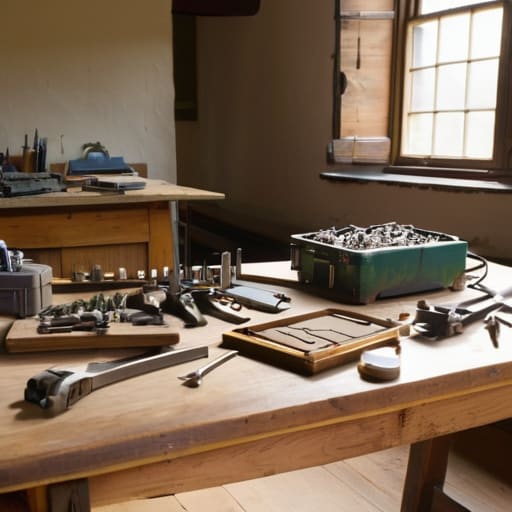
Now, you can’t host a proper workshop in a drafty, windowless basement; people won’t stay long enough to actually fix anything. When you’re securing a venue for community events, don’t just look at the floor space. I’ve spent enough time in village halls to know that if the heating is temperamental and the tea urn is broken, your turnout will vanish. You need a place with sturdy tables—heavy oak is best for working on small electronics—and, more importantly, enough power sockets to keep everyone running. The parish hall down by the old mill, built around 1890, is my first thought; it’s got the right character, though you’ll need to check the fuse box first.
If you can’t find a hall, look toward the local pub or even the back room of the village shop. The goal is to make the space feel like a living room, not a classroom. This is the heart of your sustainability community projects, where the focus should be on the person sitting across from you, not just the broken toaster in front of you. A warm, well-lit space makes organizing local repair workshops feel less like a chore and more like a Saturday morning catch-up.
Waste Reduction Through Repair and Real Human Connection
It is easy to get caught up in the grand terminology of circular economy initiatives, but when you are sitting in a draughty village hall with a broken lamp between you and a neighbour, it feels much less like a global movement and much more like common sense. I have spent thirty years looking at the structural integrity of houses, and I can tell you that the same principle applies to our belongings. We have become far too quick to bin a toaster just because a single wire has perished. By waste reduction through repair, we aren’t just keeping junk out of the landfill; we are reclaiming a bit of that old-fashioned competence that seems to be slipping through our fingers.
There is a particular sort of magic in seeing a teenager show a pensioner how to solder a connection, or watching a retired engineer explain why a certain motor has seized. These sustainability community projects work because they bridge the gap between generations. It isn’t just about the object being fixed; it’s about the conversation that happens while the glue dries. You find that once people start fixing things together, they start looking out for one another, too.
Five bits of practical sense for getting the tools out of the shed
- Don’t try to fix everything on day one; start with the small stuff like lamps, kettles, or loose chair legs. If you try to tackle a broken washing machine or a complex computer circuit in your first month, you’ll end up with a room full of junk and a lot of stressed-out volunteers.
- You need to find the “fixers” in the village—the sort of people who actually have a workbench in their garage and don’t mind a bit of grease under their fingernails. I’m talking about the retired engineers and the hobbyists, not just people who can follow a YouTube video.
- Make sure you have a proper system for the “patient” items. I’ve seen many a community project fall apart because someone left a toaster on a table and it walked off with the owner by Tuesday. You need a simple logbook and a clear way to label what belongs to whom.
- Don’t forget the tea and the biscuits. A repair cafe isn’t just a workshop; it’s a social thing. If people are sitting around waiting for a seam to be mended or a plug to be replaced, they’ll want a decent brew and something to nibble on, otherwise, they won’t come back.
- Get the insurance sorted before you invite the whole parish. It sounds like a chore, but I’ve seen enough property disputes in my time to know that you don’t want to be personally liable if someone’s heirloom clock doesn’t tick quite the same way after you’ve had your hands on it.
Three things to remember before you pick up a screwdriver
Don’t aim for perfection or a polished professional workshop; you just need a handful of people who aren’t afraid to get their hands dirty and a room where the tea is hot.
The real value isn’t in the fixed toaster or the mended hem, it’s in the thirty minutes of conversation that happens while the person is waiting for the job to be done.
Start small with a single Saturday afternoon in the village hall rather than trying to organise a monthly revolution; it’s better to have one successful event than three failed ones.
## It's About the People, Not the Tools
You can have the finest soldering irons and the sharpest sewing machines in all of Hampshire, but a repair cafe won’t thrive just because you’ve got a table full of kit; it lives or dies by whether you can convince the man who knows everything about vintage clocks and the lady who can mend a hem in her sleep to sit down, have a cuppa, and share that knowledge with the rest of us.
Gordon Ellery
Making It Happen
Getting a repair cafe off the ground isn’t about filing the right paperwork or hiring a marketing firm; it’s about the practicalities of finding a dry room with enough plug sockets and convincing the person down the lane that they actually do know how to fix a leaking tap or a wobbly chair. You need a venue that doesn’t feel like a cold municipal hall, a handful of reliable hands who won’t let you down when the kettle runs dry, and a clear understanding that you are building something slow and steady. It is a matter of matching the right tools to the right hands and ensuring that the conversation flows as easily as the tea.
At the end of the day, we aren’t just salvaging old toasters or mending torn trousers to save a few quid—though that certainly helps. We are doing it to stitch the fabric of the village back together, one small repair at a time. When you see a young family bringing in a broken lamp and an older neighbour showing them how to strip the wire, you realize you’ve built something far more durable than any Victorian masonry. It is about creating a place where we look each other in the eye and actually help one another, ensuring that the knowledge of how things work isn’t lost to the bin.
Frequently Asked Questions
Who is actually going to do the fixing, and how do we make sure they don't end up doing all the work for nothing?
That’s the rub, isn’t it? You can’t just put a sign up and hope the experts appear. You need to find the retired electricians living on High Street or the lady who’s been mending lace since the seventies. Don’t ask for “volunteers”—that sounds like a chore. Ask for “skills.” And as for the work, keep it casual. It’s not a professional service; it’s a tea-and-biscuit affair where the fixing is just the excuse for the chat.
What happens if someone brings in a toaster that's beyond saving, or worse, something that's actually dangerous to plug in?
That’s the question that keeps most people from starting, isn’t it? Look, if a toaster is truly dead—frayed wires or a burnt-out heating element that isn’t worth the copper—you don’t force it. We simply pass it on to the local recycling centre. As for the dangerous bits, we have a strict rule: no testing anything that looks like a fire hazard. It’s better to lose a repair than to lose a village hall.
How do we make sure this doesn't just become a one-off afternoon that fizzles out after the first month?
The trick to making it stick is avoiding the trap of trying to do everything yourself. If you’re the only one holding the kettle, you’ll burn out by February. You need a rota—not a complicated spreadsheet, just a simple list of who’s bringing the biscuits and who’s watching the door. Once people feel a bit of ownership, like they’re part of the furniture, they stop being guests and start being members.