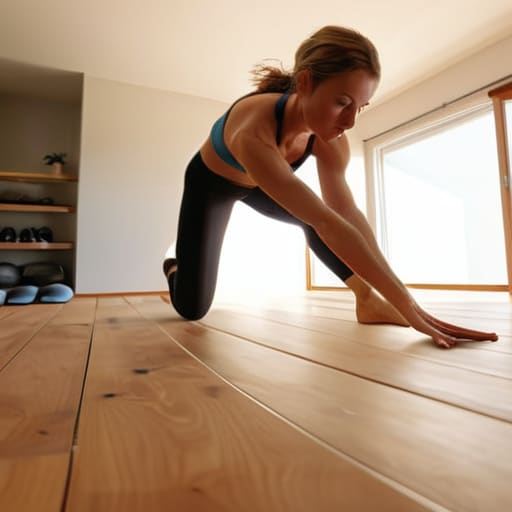
I saw a glossy advert in the village shop last week for a “premium wellness retreat” that cost more than a decent set of replacement windows for a Victorian cottage. It’s all very fine if you have the pocket, but for most of us, the idea that you need a monthly subscription and a room full of flashing lights just to stay healthy is absolute nonsense. I’ve spent thirty years surveying properties from here to the edge of the New Forest, and if there is one thing I know, it is that structure matters more than shine. You don’t need a membership to learn how to keep fit without a gym; you just need to stop listening to people who try to sell you a solution to a problem you don’t actually have.
In this post, I’m not going to give you any of that polished, studio-style nonsense. Instead, I’ll be sharing what has actually worked for me—from the steady grit of maintaining those stubborn dry stone walls to the simple, honest rhythm of a long walk across the downs. I promise to keep things practical and grounded, focusing on movements you can do in your own garden or along the lanes without spending a penny.
Table of Contents
Low Impact Home Workouts for Busy Real Lives
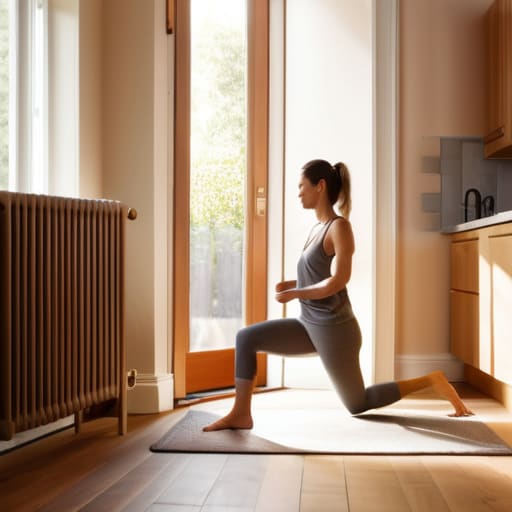
I’ve never been one for the heavy iron or the clanging machines you see in those big leisure centres in Salisbury. Most of us don’t have the time, and frankly, most of us don’t need them. I’ve found that the most effective way to stay limber is through simple bodyweight training exercises right in the middle of the living room. You don’t need a yoga mat or a designer outfit; a bit of floor space near the radiator is plenty. I usually spend ten minutes doing some squats and lunges while the kettle is boiling for my morning tea. It isn’t about training for a marathon; it’s about making sure your knees don’t creak too loudly when you’re heading down to the post office.
If you are just starting out, I’d suggest looking into calisthenics for beginners. It sounds a bit grand, but it’s really just using your own weight to build a bit of steady strength. You can do a few push-ups against the sturdy kitchen counter or some calf raises while you’re waiting for the evening news to come on. It’s about incorporating movement into daily life rather than treating fitness like a chore that requires a commute.
Mastering Bodyweight Training Exercises in Your Own Living Room
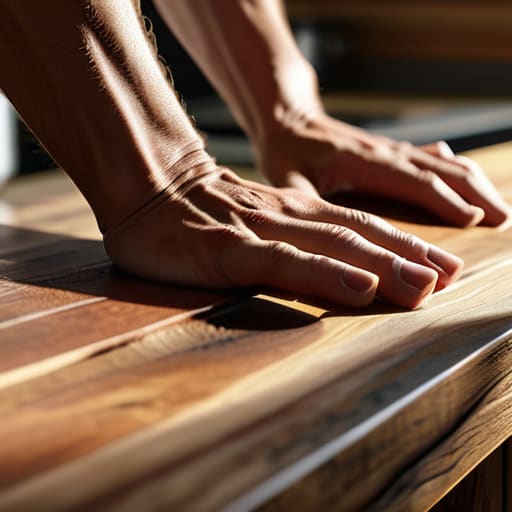
Now, you don’t need a rack of iron weights or a membership to a place with loud music and neon lights to build a bit of strength. I’ve spent enough time inspecting the structural integrity of old timber frames to know that a solid foundation is everything, and your body is no different. If you start with a few basic bodyweight training exercises—things like squats, lunges, or a steady push-up against the edge of the kitchen counter—you’re doing more than most. It isn’t about looking like a fitness model; it’s about making sure you can still lift a heavy bag of compost or get up from a low armchair without a groan.
I always tell the youngsters at the parish meetings that consistency beats intensity every single time. You don’t need to spend an hour sweating; even fifteen minutes of movement in the middle of the afternoon makes a difference. If you find yourself watching the news, try a few calf raises or some simple stretches. It’s about incorporating movement into daily life in a way that feels natural, not like a chore you’ve been sentenced to.
Five Ways to Keep Moving Without the Membership Fee
- Use what you have underfoot. I’ve spent many a morning walking the perimeter of the old rectory gardens—built around 1840, mind you—and I’ve found that a simple set of stairs is better than any treadmill. If you’ve got a flight of stairs in your house, use them twice a day. It’s not glamorous, but it works.
- Make your errands count. Instead of driving the car three hundred yards to the village shop, park at the end of the lane and walk the rest of the way. It’s about adding those small, steady movements into the gaps of your day rather than trying to find a single hour to sit on a stationary bike.
- Weight your movements with the household basics. You don’t need those plastic dumbbells that cost a fortune. A couple of two-litre water bottles or even a heavy bag of flour from the pantry will do the job for a bit of resistance training. Just mind you don’t spill the flour on the rug.
- Stick to the local footpaths. We are lucky to have the bridleways around us, provided you check the weather first. A brisk forty-minute walk on a slightly uneven path does more for your balance and your heart than walking on a flat, predictable gym floor ever will.
- Consistency beats intensity every time. I’ve seen people start a rigorous regime in January only to give up by the time the first frost hits. It is better to do ten minutes of stretching or a short stroll every single day than to go too hard once a week and end up unable to walk to the post box the next morning.
A few final thoughts for the road
Don’t go looking for a fancy membership to justify your health; if you can move your body in your own space, you’ve done the hard part.
Consistency beats intensity every time, much like keeping a garden tidy—it’s the small, regular efforts that stop things from going to seed.
Listen to your joints and your surroundings; a bit of movement is good, but there’s no sense in pushing so hard that you’re hobbling to the post box the next morning.
The Myth of the Membership
You don’t need a climate-controlled studio or a monthly direct debit to keep your joints moving; if you can manage a brisk walk up the lane or a few squats while the kettle’s boiling, you’ve done more for your health than most of the people I see paying sixty pounds a month to walk on a treadmill that goes nowhere.
Gordon Ellery
A Bit of Common Sense to Finish
When you strip away all the glossy advertisements and the expensive monthly subscriptions, you’re left with something quite simple. Staying healthy doesn’t require a climate-controlled studio or a machine that costs more than my first car; it just requires a bit of consistency. Whether you are using your own body weight for a few sets of squats in the lounge, or finding ten minutes between tea and the evening news to stretch, you are doing the work. It is about making use of what you already have, whether that is a sturdy kitchen chair or the flat stretch of pavement outside your front gate. You don’t need to be an athlete to see the benefit; you just need to keep the momentum going in small, manageable ways.
I’ve spent thirty years looking at the foundations of houses, and I can tell you that it’s the small, steady things that prevent a structure from shifting. People are much the same. You don’t need to transform your life overnight to see a difference in how you feel when you’re walking up the hill toward the church. Just start where you are, with what you’ve got, and don’t worry about being perfect. If you can find a way to move that fits into your actual, busy life, then you’ve already won the most important battle. Just keep moving, and the rest will follow in its own time.
Frequently Asked Questions
I don't have much space in the spare room, so can I really get a decent workout done without bumping into the sideboard?
I’ve spent enough time measuring cramped Victorian terraces to know that space is a luxury. You don’t need a ballroom; a space roughly the size of a standard rug will do. If you can stretch your arms out without hitting the sideboard or that heavy oak bureau from 1920, you’re fine. Keep your movements vertical rather than lateral. Just clear the floor of any stray slippers and you’re good to go.
If I'm doing this at home, how do I know if I'm actually pushing myself hard enough or if I'm just going through the motions?
It’s a fair question. I used to see it with clients—people would walk through a house and say it felt “fine,” but they hadn’t actually checked the floorboards for a spring. You have to check your own “floorboards.” If you can carry on a full conversation without gasping, you’re likely just tidying the lounge. You want that heavy breathing where a sentence needs a pause. If you aren’t feeling the heat, you aren’t building the foundation.
Is it worth investing in a few bits of kit like kettlebells, or am I better off just using what I've got in the cupboard?
Now, don’t go rushing out to the sports shop just yet. I’ve seen enough people buy expensive treadmills only to use them as expensive drying racks for damp towels. If you’ve got a couple of heavy books or even a sturdy water jug, you’re well on your way. A single kettlebell is fine if you find a decent one, but for most of us, the stuff in the cupboard is more than enough to get the job done.