I was out near the old mill stream last Tuesday, trying to patch up a section of dry stone wall that’s been leaning since the heavy rains in ’98, when I saw Arthur from the end of the lane staring pointedly at a new trellis. He wasn’t looking at the roses; he was looking at where the timber met the hedge, looking like he’d swallowed a lemon. It’s a familiar sight in our corner of the world. Most people think a legal battle is some grand, expensive theatrical production, but when you strip away the jargon, you realize that what is a boundary dispute is usually much smaller and much more personal than that. It’s rarely about the high court; it’s about that sudden, sharp knot in your stomach when you realise your neighbour’s new shed is sitting exactly eighteen inches onto what you’ve spent twenty years mowing.
I’ve spent thirty years valuing houses across these counties, and I’ve seen enough property lines to know that a map doesn’t always tell the whole truth. I’m not here to give you a lecture from a law textbook or sell you on some overpriced consultancy. Instead, I’ll give you the plain facts—the kind you get from someone who has actually stood in the mud, measured the distance, and seen how these things settle between neighbours.
Table of Contents
- When a Property Deed Description Fails the Reality Test
- The Messy Truth of Property Line Encroachment
- Five ways to keep the peace (and your property)
- A few things to keep in mind before you call the solicitors
- More than just a line on a map
- A bit of advice before you pick up the post
- Frequently Asked Questions
When a Property Deed Description Fails the Reality Test
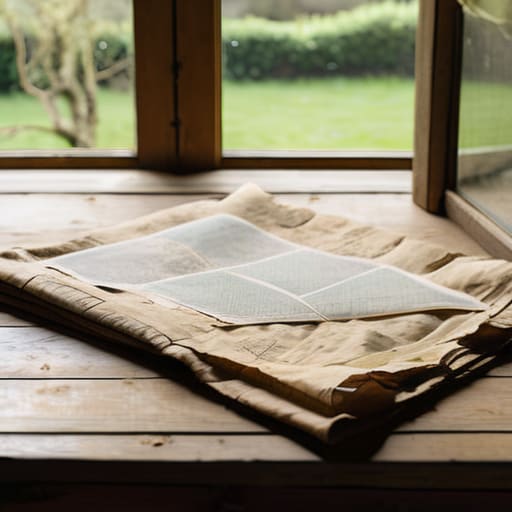
I’ve spent thirty years squinting at old maps and crumbling parchment, and if there is one thing I’ve learned, it’s that a property deed description is often more of a suggestion than a rule. You’ll see it all the time in these old villages—a deed might say “from the old oak to the bend in the stream,” but that oak was struck by lightning in 1974 and the stream moved ten feet east during the heavy rains of last autumn. When the ink on the page doesn’t match the reality on the ground, you aren’t just looking at a typo; you’re looking at the beginning of a very long afternoon of arguing over a hedge.
This is where the land survey importance becomes painfully clear. You can argue until you’re blue in the face about where a hedge used to sit, but until a professional brings out the transit and the chain, you’re just two neighbours guessing. I once saw a case down in Amesbury where a garden shed was built nearly two feet over the line because the original surveyor had used a landmark that hadn’t existed since the Edwardian era. It’s a messy business, but getting the measurements right is the only way to stop a disagreement from turning into a permanent grudge.
The Messy Truth of Property Line Encroachment
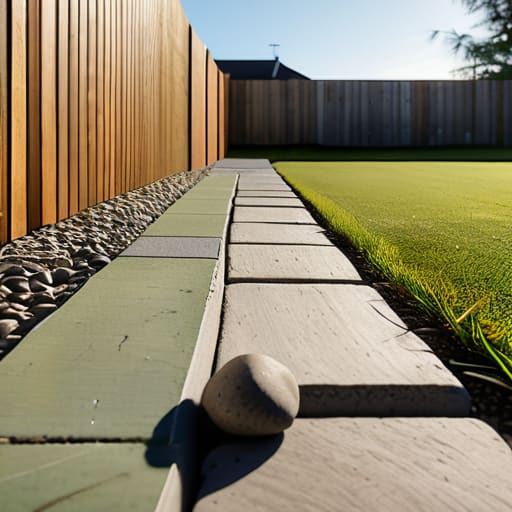
It usually starts with something small—a garden shed tucked an extra six inches too close to the hedge, or a new driveway that seems to have “borrowed” a bit of the neighbor’s verge. This is property line encroachment in its most common, and most irritating, form. I’ve seen it happen dozens of times over the years; it’s rarely done with malice, but rather a simple, creeping assumption that “it’s always been this way.” The trouble is, once that concrete is poured or those sleepers are laid, the line isn’t just a thought in your head anymore; it’s a physical reality that’s very difficult to undo without someone feeling slighted.
If you find yourself staring at a fence that looks a bit too close for comfort, don’t go reaching for the post-hole digger just yet. The first step is almost always understanding the land survey importance in these matters. You can’t argue with a feeling, but you can argue with a professional’s measurements. I once knew a gentleman over in Chillington who spent three years arguing over a patch of nettles, only to find out the original markers had been moved during a drainage job back in the late seventies. It’s better to get the facts straight before the tea gets cold and the tempers run hot.
Five ways to keep the peace (and your property)
- Dig out the paper trail before you start shouting. You need more than a memory of a conversation from 1994; you need the actual deeds, the Land Registry documents, and any old hand-drawn plans you can find in the attic. If the paper says one thing and the hedge says another, you’ve got your starting point.
- Don’t go making sudden moves. If you think a neighbour has built a shed two feet onto your land, resist the urge to march over with a sledgehammer. Once you start tearing things down, the legalities get much more expensive and the neighbourly relationship gets much more complicated.
- Get a professional to look at the ground, not just the map. A surveyor—someone who actually knows how to use a total station and understands the nuances of old parish boundaries—is worth their weight in gold. A map is just ink on paper until someone physically stands on the corner of the plot and measures it.
- Check the history of the boundary itself. I’ve seen plenty of cases where a fence has sat in the same spot since the late Victorian era. If a boundary has been “accepted” by both parties for twenty years or more, you might find that the law cares more about that long-standing reality than what the original 1950s deed says.
- Try the tea and biscuit approach first. Most of these disputes are born from a misunderstanding or a bit of poor communication during a renovation. A quiet word over the garden gate is almost always cheaper and less stressful than paying a solicitor to write a formal letter of claim.
A few things to keep in mind before you call the solicitors
Don’t rely solely on the old paper deeds; a description from 1924 might say “to the old oak tree,” but that tree has been a stump for forty years and won’t help you in a modern disagreement.
Check the physical reality of the land against the maps, because a fence that’s stood for twenty years often carries more weight in a dispute than a line drawn on a piece of parchment.
Approach the situation with a bit of patience and a cup of tea first, as most of these headaches are better solved by a conversation over a garden gate than by a formal legal notice.
More than just a line on a map
A boundary dispute isn’t really about the ink on a surveyor’s map or some dusty deed from 1924; it’s about that uncomfortable moment when you realize the hedge you’ve been trimming for twenty years actually belongs to the person next door, and suddenly, a simple garden path becomes a battlefield.
Gordon Ellery
A bit of advice before you pick up the post

At the end of the day, whether it is a vague description in a deed from 1924 or a new fence that has crept a few inches too far into your flowerbed, these disputes usually boil down to the same thing: a lack of clarity. We have seen how a misplaced hedge or a misunderstood boundary marker can turn a perfectly civil relationship into a series of frosty nods over the garden gate. It is easy to get caught up in the technicalities of encroachments and legal easements, but remember that most of these issues stem from the fact that old maps aren’t always perfect reflections of the ground beneath our feet.
If you find yourself staring at a boundary line that doesn’t look quite right, my advice is to take a breath before you call the solicitors. Most of the time, a quiet conversation over a cup of tea—or a professional surveyor who can provide a definitive, physical measurement—is far more effective than a legal battle. We spend so much of our lives building our homes and tending to our gardens; it is a shame to let a few inches of soil sour the peace of a good neighbourhood. In the long run, a bit of common sense and a clear map will serve you much better than a grudge.
Frequently Asked Questions
If my neighbour has been using that bit of land for twenty years without me saying anything, can they actually claim it's theirs now?
That’s the question that keeps many a homeowner awake, and frankly, it’s a thorny one. If they’ve been using that patch of land openly and without your permission for over twelve years, they might well have a claim under what’s called adverse possession. It isn’t as simple as a handshake, though. It’s about whether they’ve treated that bit of ground as their own, much like how a hedge grows over a boundary if you leave it be.
Do I really need to hire a professional surveyor to settle this, or can a quick look at the old parish maps do the trick?
Now, I’ve spent many a Saturday squinting at those old parish maps, and while they’re lovely for seeing where the old orchard used to be, they aren’t a legal substitute for a professional. A map from 1890 might show a hedge, but it won’t tell you where the actual boundary sits in 2024. If there’s real money or a relationship on the line, get a surveyor. It’s better to pay for accuracy now than for a solicitor later.
How much is this all going to cost me in legal fees if we can't reach a handshake agreement over a garden fence?
That’s the question that keeps people awake at night. If you can’t settle it over a cup of tea, you’re looking at a steep climb. A solicitor won’t charge you by the hour for a chat; once they start drafting formal letters or reviewing old deeds, the meter runs fast. If it reaches a tribunal or court, you could easily be looking at several thousand pounds. It’s often much cheaper to swallow your pride than to pay a barrister to argue over a hedge.