I can still smell the singed wool of my old jumper from the 1994 bonfire down by the old mill stream—a damp, smoky scent that stays with you long after the embers have gone cold. I remember standing there, watching a stray spark drift toward a stack of dry timber, and thinking that all the fancy, expensive fire-retardant sprays in the world wouldn’t matter if people weren’t just paying attention. We often get caught up in buying the most expensive kits, but true community bonfire night safety isn’t about the gear you buy; it’s about knowing where the wind is blowing and keeping a sharp eye on the children.
I’m not here to give you a list of rules pulled from a government pamphlet that nobody actually reads. Instead, I’ll be sharing what I’ve learned from thirty years of watching these village gatherings, from the way the light hits the smoke to the practicalities of managing a crowd on a dark lane. I promise you straight-talking, practical advice based on what actually works when the sun goes down, ensuring we all enjoy the warmth without needing a call to the fire brigade.
Table of Contents
- Managing the Crowd Making Space for Every Neighbour
- The Paperwork of Peace Public Event Fire Safety Regulations
- A few practical bits to keep the sparks where they belong
- A few things to keep in mind before the first match is struck
- A bit of common sense goes a long way
- A final word before the match is struck
- Frequently Asked Questions
Managing the Crowd Making Space for Every Neighbour
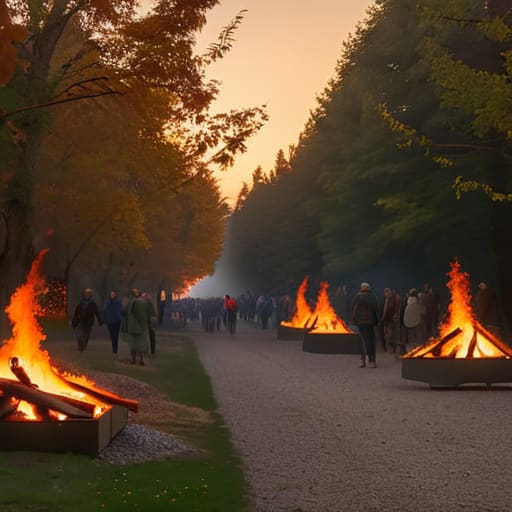
I remember the bonfire back in ’94 when we had nearly twice the number of people squeezed into the meadow than we do now. It was a bit of a squeeze, and that’s where the trouble starts. When you’re looking at crowd management for bonfire events, it isn’t just about keeping people from tripping over a stray spark; it’s about ensuring there’s a clear, wide path for someone to get through if they feel a bit unwell. I’ve seen how quickly a small group can turn into a wall of people, making it impossible for the older folk or those with prams to find a bit of breathing room.
It’s also worth noting that the committee has been much more diligent lately with their firework display risk assessment. They aren’t just ticking boxes for the sake of it; they’re making sure the perimeter is wide enough that no one is standing in the “splash zone.” If you’re bringing the grandkids, I’d suggest finding a spot near the edge of the designated viewing area rather than right in the thick of it. It keeps the view clear and, more importantly, ensures you aren’t trapped in a crush if the big finale starts a little earlier than expected.
The Paperwork of Peace Public Event Fire Safety Regulations
Now, I know what you’re thinking—nobody wants to spend their Tuesday evening squinting at a clipboard while the sausages are browning. But having spent thirty years looking at structural integrity and building compliance, I can tell you that the paperwork is what keeps the fun from turning into a headache. When the parish council organises these things, they aren’t just being fussy; they are following public event fire safety regulations to ensure we don’t end up with a situation that the local brigade has to spend all night sorting out.
It usually boils down to a proper firework display risk assessment. It sounds terribly formal, but it’s really just a sensible way of checking that the wind won’t blow a stray spark into Mrs. Higgins’ prize-winning rose bushes or, heaven forbid, the dry thatch on the old smithy. It’s about knowing exactly where the extinguishers are kept and having a clear plan for emergency planning for community fireworks so that if something does go sideways, we aren’t all standing around looking confused. It’s a bit of a chore, certainly, but it’s the only way to make sure we’re all back in our own beds by eleven.
A few practical bits to keep the sparks where they belong
- Mind the wind direction; I’ve seen more than one hedge get singed because someone set the pyre up too close to the boundary line on a breezy October evening.
- Keep the children well away from the perimeter, as the ground around a bonfire can get surprisingly hot and uneven very quickly.
- Ensure there is a bucket of water or a hose end nearby that actually works; there is no sense in having a fire extinguisher that’s been sitting empty since the nineties.
- Watch the smoke drift toward the houses on the lane; if the wind shifts, you’ll have the whole street coughing through their open windows.
- Don’t go throwing anything into the pile that isn’t seasoned wood; I once saw a bit of old garden furniture go up that sent embers flying halfway across the village green.
A few things to keep in mind before the first match is struck
Check your boundaries and keep a clear path; I’ve seen too many folks set up a brew station too close to the embers, and if someone needs to move quickly, they shouldn’t be tripping over a folding chair.
Keep an eye on the little ones and the pets, especially as the smoke thickens; it’s easy to get distracted by the glow, but a watchful eye is worth more than any official warning.
Don’t forget the basics of a clean exit, meaning clear signage and plenty of light; there’s no sense in having a grand night if half the village is squinting in the dark trying to find their way back to the car park.
A bit of common sense goes a long way
I’ve spent thirty years looking at the structural integrity of flint and brick, but no amount of professional surveying can fix a situation where people forget that a bonfire is a living thing; it needs respect, a bit of breathing room, and a watchful eye to ensure the only thing we’re burning is the autumn leaves and not our sense of community.
Gordon Ellery
A final word before the match is struck
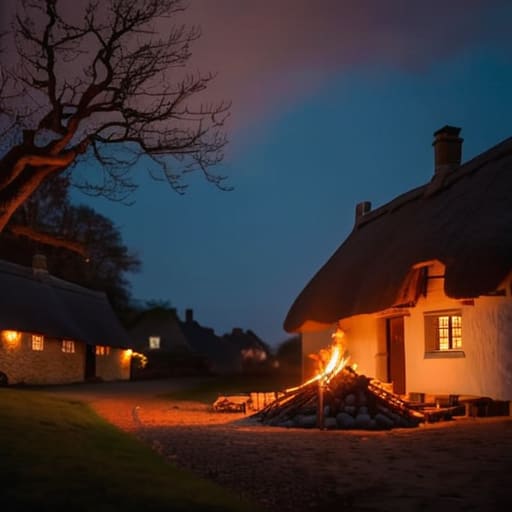
At the end of the day, keeping our bonfire night safe isn’t about making a mountain out of a molehill or burying ourselves in red tape. It comes down to the basics: ensuring the site is cleared of dry brush, making sure the local fire brigade knows exactly where we are, and keeping a sharp eye on the perimeter so the sparks don’t find their way into someone’s thatch. If we take the time to manage the crowd and respect the regulations we discussed, we aren’t just following rules; we are protecting the very fabric of our village. It is much easier to enjoy a toasted marshmallow when you aren’t worried about the wind shifting towards the old oak.
I’ve lived in this corner of the world long enough to see many seasons pass, and what stays with me isn’t the height of the flames, but the warmth of the people standing around them. These events are the glue that holds us together between the busy months. So, let’s look out for one another, keep the children a sensible distance from the heat, and make sure everyone gets home safely to their own front doors. When the embers finally fade and the smoke clears, what we’ll have left is a community that looks after its own, and that is worth more than any spectacular display.
Frequently Asked Questions
If the council hasn't sent a formal notice, do we still need to notify the local fire station before we light the heap?
Look, even if the council hasn’t sent a formal letter, I’d still give the local station a quick ring. It’s not about asking permission—we aren’t children, after all—it’s just about courtesy. If a neighbour calls in a panic because they see smoke rising over the churchyard, the fire brigade shouldn’t be racing out here with sirens blaring only to find us burning old pallets. A five-minute heads-up keeps the peace and prevents unnecessary trips.
What’s the proper way to handle the fallout if a neighbour complains about the smoke drifting into their garden?
If the smoke drifts over the hedge and Mrs. Higgins starts peering through her curtains, don’t get defensive. I’ve seen it happen at the parish field before. The best approach is a quick, polite word. Acknowledge that the wind has shifted—it usually does by eight o’clock—and let them know when you expect to be winding down. It’s about showing you’re mindful of their space, not just defending your right to a fire.
Are there specific rules about how close we can build the bonfire to those old oak trees near the village green?
I’ve spent many a Saturday leaning against those oaks near the green—they’ve been there since the mid-1800s, I’d wager—and they aren’t as sturdy as they look. You mustn’t build the fire right under the canopy. Heat can bake the roots and damage the bark, making them prone to rot. Keep the main blaze at least five metres back from the trunks. It’s better to be cautious now than lose a landmark later.